Category: Preparedness

  • A Penguin and a Pillowcase help demonstrate preparedness

    By Nancy Degnan

    Pedro, the Penguin exclaims “Prepare means get ready!” and the children stop and listen. A small sentence from a friendly character that can lead to big things like a hopeful tomorrow.

    Prepare with Pedro is just one of American Red Cross Youth Preparedness Programs that are designed to help children and their families to “BE PREPARED and TAKE ACTION.” Kathy Mullen, a Youth Preparedness Lead for the American Red Cross of Southeastern PA (SEPA), shared that “a simple item like a working smoke detector can save a family from loss of property and more importantly, a life. These programs have been taught within the SEPA region for several years and we are looking to expand our services across the region.”

    Kathy teaches and organizes volunteers for two key programs and would like to share her passion for driving fire safety education to elementary age children in the area. Prepare with Pedro and The Pillowcase Project create awareness and offer experiential activities to help young children learn the importance of fire safety.

    Prepare with Pedro

    Prepare with Pedro is a 30- to 45-minute preparedness education program for grades K-2 that teaches students how to BE PREPARED and TAKE ACTION for either home fires or a local hazard.

    Pedro, the Penguin is the featured guest and is ready to help students learn through a storybook and activities. Pedro also shares a helpful safety checklist to reinforce the knowledge. To help students practice, they are encouraged to share with their families what they have learned. This is a great starter program to begin the fire safety learning journey and is perfect for schools and after-school programs.

    The Pillowcase Project 

    This program is available in 40-to-60-minute formats and focuses on home fire, safety, and preparedness for grades 3 – 5. The ‘go bag – Pillowcase’ activity is the cornerstone of the program and has students use a pillowcase to pack personal belongings in case of an evacuation. It teaches students about personal and family preparedness, safety skills, local hazards, and basic coping skills. Using the “Learn. Practice. Share.” framework, the students experience preparedness skills, practice those skills in class, and are encouraged to share those critical lifesaving learnings with their family.

    Volunteers relate the process for learning safety as similar to familiar activities to the children like dance, music, and sports. The program builds upon their current knowledge and introduces basic coping skills so they are calm should an emergency situation arise. Additionally, children are provided a more detailed understanding of weather conditions across the United States and the criticality of understanding weather to determine what is needed to be prepared for those conditions. This program is great for schools, after-school programs, Girl and Boy Scout troop meetings and other learning environments. The classes are free of charge and all supplies are provided by the Red Cross.

    Our youth preparedness programs are now being offered in-person or virtually to students nationwide. Contact your local Red Cross for more information.

    For additional resources please visit redcross.org/youthprep.

  • Hurricane preparedness: Creating a plan now will help keep you safe later

    By Terri Seydel

    What is a hurricane?
    A hurricane is a severe storm that forms over warm waters with sustained high-speed winds over 74 miles per hour. These storms can cause devastating damage and have the power to destroy neighborhoods and communities in relatively short periods of time.

    Who’s at risk of Hurricane threats?
    In addition to the shoreline dangers, the effects of a hurricane often cause damage to areas that are hundreds of miles inland. In fact, flooding accounts for more than 50 percent of hurricane-related deaths every year.

    The Importance of Planning
    Each year the American Red Cross responds to assist victims in the aftermath of hurricanes. However, proactive planning is your best defense in being well prepared to protect yourself and your family during a storm.

    Your plan should include an evacuation route, a safe destination, basic needs, and how to stay connected with news sources, emergency services, and your loved ones. Refer to this American Red Cross Hurricane Preparedness Checklist or follow these tips:

    1 . Gather emergency supplies — It’s wise to prepare for both evacuations and sheltering in place since all storms are different. Prepare a ‘go kit’ and a ‘stay at home’ kit to ensure you’re ready for any scenario.  

    If local authorities advise you to evacuate, you should do so immediately. Take your ‘go kit’ containing everything your household needs to be on your own for three days. Essential items would include food, water, medicine, backup batteries, and chargers for your devices. You should also carry and protect legal documents and identification.  

    In some cases, sheltering in place may be your best option. Even if the high winds and floodwaters do not reach your home, you may lose power and water, and you may not be able to leave your home for several days due to impassable roads. With this in mind, your Shelter-in-place kit should contain two weeks supply of the same essential items you prepared for your ‘go kit.’

    2. Planning to stay connected — You’ll want the ability to stay connected for weather updates, emergency alerts, and contact with your family. Plan to have a battery-powered radio, a way to charge your phone, and sign up for free emergency alerts from your local government. You should also consider downloading the American Red Cross Emergency App found in the Apple Store or Google Play.

    3. Learn emergency skills — Take the time to educate yourself on life-sustaining needs. The Red Cross suggests you learn First Aid and CPR, be ready to live without power, learn how to use a generator safely, and plan how you can use medical equipment during a power outage.

    Proactive planning is essential in keeping your family safe during a hurricane. Following this American Red Cross Hurricane Preparedness Checklist will help ensure that you’re ready to manage through evacuation or sheltering in place until the storm and the after-effects subside.

  • Download the Red Cross Pet First Aid App

    By Margarete Mullaney

    Red Cross Disaster Action Team volunteer Fred Lehman assists the Philadelphia Fire Department care for a pet after it was rescued from a home fire last week. Photo courtesy of the Philadelphia Fire Department

    While browsing the Pet First Aid app it occurred to me there are medical situations that could occur as a pet owner that never entered my mind prior to this review. This app has given me a new outlook on pet ownership and awareness of uniquely different structures compared with humans requiring similar responses. The main point is to be attentive to symptoms, such as shock syndromes, wounds, smoke inhalation, CPR, seizures, drowning, choking, breathing problems, and many more advanced medical conditions. A well-prepared pet owner may save their pet from needless discomfort in an emergency.

    But downloading the Red Cross Pet First Aid App makes sense for non-pet owners, too. Here’s my personal story. A few years ago, I noticed a dog strolling up and down the sidewalk. It was a bit shabby and somewhat fearful, but the dog seemed mellow so I followed along to a nearby area filled with trees. I suspected the dog may have favored the woods as an easy exit if threatened. The dog was small and jet black with a collar around his neck – a good indication he was cared for by his owner. I decided to follow the dog back and forth along the sidewalk feeling his mood was cautious yet curious as he walked and I followed.

    Finally, I caught up and held onto his collar. The contact information named a rescue agency. I called the number, reached a message and explained that I would take the dog to my home until I received further instructions. The dog didn’t dislike the idea, and off we went to my apartment. The elevator was uncomfortable, but he entered the apartment easily. I promptly offered him water and food, and took a tour of the apartment, opening all the doors so the dog felt safely placed.

    I called the agency a second time and identified his name as Cooper. As soon as he heard the name, Cooper barked in recognition. The agency found the owner’s information and asked if it’s okay to receive a call from the owner’s friend. We waited without distress until the call was received. While waiting, I found a clothesline rope for a leach to escort him in the elevator to my courtyard.  After a while the friend called and easily took possession of Cooper, and we went our separate ways. The owner was out of town but called later that evening to thank me.

    While my story did not require first aid knowledge, you never know when you might encounter an animal that needs medical help. Having the app already on your phone can help to identify a lost pet’s condition and respond accordingly. While a veterinarian is the best solution for timely emergencies, it’s best to be well prepared with reliable information.

    Download the free Red Cross Pet First Aid App from any app store or visit our website to learn more.

  • Keep your furry (and not so furry) friends safe this winter

    By Divya Kumar

    Winter is a great season to recharge with your furry friends by your side. Whether you have a dog, cat, rabbit, horse, scaly friend or another type of animal, it’s important to remember a few things to ensure they are cozy, safe, and warm alongside you when the weather gets cold!

    Tip #1: Before even getting in your car, much less starting it, be sure to look under your vehicle for a little one potentially hiding out seeking warmth. Also, be sure to either knock on your hood a couple times or quickly pop it open to see if there’s a little ball of fluff cozied up next to your engine. (It does happen!) If you do find an animal, call animal control or, if you feel comfortable handling it, take it to the nearest shelter.

    Tip #2: If its super cold out for you, then its super cold out for your pet! Never leave your pet out in the cold, no matter what. For many of us pet owners, our pets are family. Treat your pet with the same dignity you treat your most vulnerable family member.

    Tip #3: If you need to walk your dog, be mindful of the hard salt crystals that are distributed on sidewalks and roads before a storm. Your dog’s paw pads are sensitive! Before going out, rub some salve on your dog’s paw. There are a few brands you can find by googling “paw pad salve.” If your dog needs extra TLC on his or her paws, acclimate them to wearing booties. They may not like it at first, but that’s why you’re the one taking care of your pet—to do what’s best for them!

    Tip #4: Cats and dogs love a warm spot to snuggle, so make sure there are some cozy spots inside where they can snuggle when it gets extra cold outside. My cats like the thermo kitty sill—you can get it from most online retailers.

    Tip #5: It can be tempting to blast the heater on extra hot when it dips below freezing, but be mindful that you’re not creating a sauna. Cats and dogs have a higher body temperature than humans, and they can overheat quickly.

    Tip #6: If you’re going out overnight and leaving your animals behind, check the weather forecast for storms. A snowstorm could lead to a power outage, and if you use an automatic food dispenser that needs to be plugged in, your pets will go hungry! Get someone to cover for you, ideally, or use a battery-operated dispenser.

    Tip #7: Have fun! Wintertime can be magical for the pets you can take outside. Some dogs love the snow, others not so much. Always respect your pet’s needs, likes and dislikes. If your dog does not like the snow, and you love it, maybe check out your local shelter and ask to walk a dog who loves the snow! The SPCA near me lets us take certain dogs to the park. A fun option to spend some time with a shelter dog who loves the snow as much as you. Your own dog won’t be jealous and will be thankful he or she can stay cozy inside.

  • Red Cross responding to spike in fires over past two weeks; families encouraged to test smoke alarms, practice escape plans

    By Dave Skutnik

    Following a recent spike of home fires in the Philadelphia area, including Wednesday’s tragic fire in Fairmount, the American Red Cross Southeastern Pennsylvania Region encourages everyone to teach their families about fire safety and offers free resources to help.

    In just the past two weeks, local Red Cross volunteers helped more than 100 people affected by two dozen home fires in Philadelphia, Bucks, Chester, Delaware and Montgomery counties. For residents affected by the recent fires, the Red Cross has provided emergency financial assistance, food, relief items like toiletries, emotional support and has connected people to available recovery assistance.

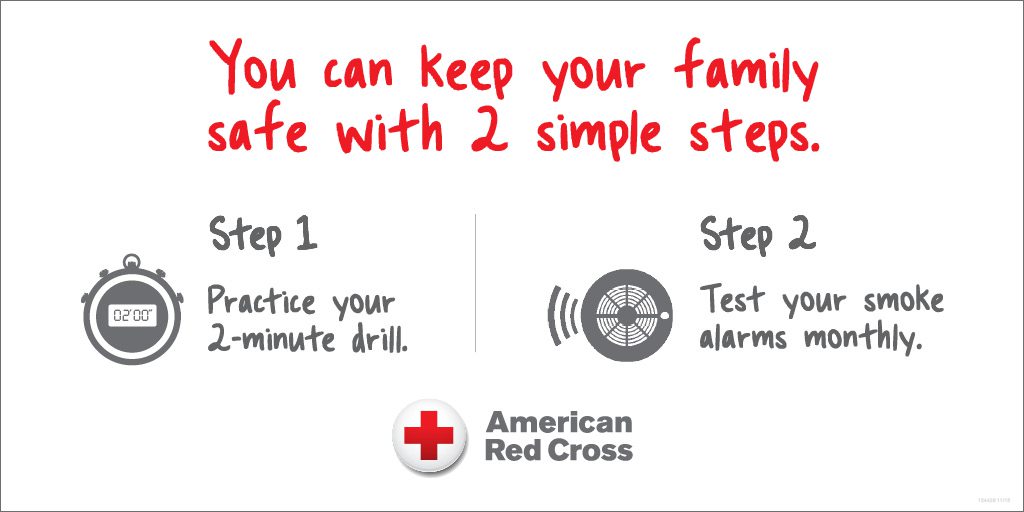
    “It’s heartbreaking for anyone to experience a home fire, but it’s gut-wrenching when lives are lost,” said Guy Triano, Regional CEO for the American Red Cross of Southeastern Pennsylvania. “We want to help ensure families and children are prepared. Please talk to everyone in your household about home fire safety and practice your escape plan together until everyone can get out in two minutes or less.”

    HOW TO KEEP YOUR FAMILY SAFE

    Below are some key ways to prepare your family:

    • Practice your escape plan: Take time to discuss fire safety with your family. Familiarize children with the sound of your smoke alarm and teach them what to do when they hear it when you practice your escape plan.
    • Install and test smoke alarms: Install smoke alarms on every level of your home, inside and outside bedrooms and sleeping areas. Test them monthly and replace alarm batteries as needed.

    SMOKE ALARM AND HOME FIRE SAFETY RESOURCES

    Most of us don’t realize we have as little as two minutes to escape a burning home before it’s too late, according to a 2020 Red Cross survey. That’s why the Red Cross is preparing families to act quickly through its Home Fire Campaign. As part of the program, the Red Cross offers free smoke alarm installations in Southeastern Pennsylvania. If you need alarms, you can visit our Home Fire Safety web page or call 215-299-4029.

    For free home fire safety resources, including an escape plan, visit redcross.org/fire or download the free Red Cross Emergency app (search “American Red Cross” in app stores or go to redcross.org/apps). Children can also learn what to do during a home fire and other emergencies with free resources at redcross.org/YouthPrep.

    MORE HOME FIRE SAFETY ACTIVITIES FOR KIDS
    Parents can enable the Pedro’s Fire Challenge skill on Alexa-enabled devices to have “Pedro the Penguin,” a Red Cross youth program character, guide children through engaging activities and games to earn virtual fire safety badges. The Red Cross created the skill to help children learn core home fire and preparedness skills, such as identifying smoke alarm locations, crawling under smoke in a fire and ways to cope after a fire. Learn more in this video.

  • National Download Day: The Red Cross has an app for that!

    By Divya Kumar

    It’s National Download Day, and the American Red Cross offers many apps that you can download for FREE!

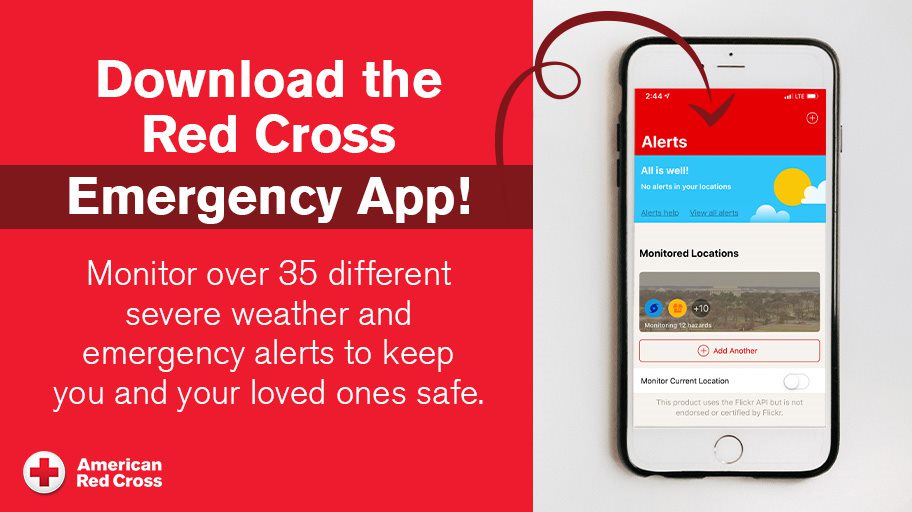
    The Emergency app is a good place to start. Here, you can monitor over 35 severe weather and emergency alerts to help keep you and your family safe. There are also specific apps for Hurricanes, Tornadoes and Earthquakes for those who live in areas prone to these types of disasters. Be sure to turn on alerts in your settings to get notifications!

    The Red Cross First Aid and Pet First Aid apps are great in a pinch if you, your pet, or someone near you is experiencing a health crisis. In the Pet First Aid app, you can toggle between Cat and Dog and prepare for and treat common health scares, like choking. I have cats, and this app has helped me get a baseline of their health stats so that I know when their temperature is too high or their heart is beating too quickly. It has helped me prepare for things like blood sugar emergencies, burns, car accidents, allergic reactions, and much more! Pro tip: The fastest thing you can do (besides downloading the app, of course) searching for “emergency veterinarian near <your zip code>” in your browser.

    For First Aid, you can check out life-threatening events like allergies, asthma, bleeding, choking, concussion and head injuries, CPR, diabetic emergencies, heart attacks, heat stroke, hypothermia, poisoning, seizures, and more! You can also learn how to respond to less threatening situations, like broken bones and burns, to help you decide on the next best steps.

    The Red Cross Swim app is great for learning about water safety. Did you know that even if you are a good swimmer, drowning is still very much a possibility? In fact, drowning is a leading cause of death among children. A child or weak swimmer can drown in the time it takes to reply to a text, check a fishing line, or apply sunscreen. Death and injury from drownings happen every day in home pools and hot tubs, at the beach or in oceans, lakes, rivers and streams, bathtubs, and even buckets.

    With the Blood Donor app, you can schedule an appointment to donate blood or platelets, track your donations, and even find out at what hospital and city your donations were used. There’s also a lot of great information to help you prepare to donate blood and recover afterward.

    Lastly, the Hero Care app is an all-in-one resource for caring for vets, whether that be you as a vet, or if you are a caregiver. One of the best features in this app is thee Hero Care Resource Directory, which is great for finding resources and support for food, housing, transit, money, and much more.

    Once you download the apps of your choice, be sure to spread the word! Happy Download Day from us to you!

  • Have a happy, healthy & safe Thanksgiving

    By Divya Kumar

    With Thanksgiving right around the corner and COVID-19 vaccinations increasing in our region, I know many of us are looking forward to finally meeting friends and family we haven’t seen in a while. And while it may be tempting to go all out with food and festivities, it’s important to keep some safety tips on our minds so that our fun is not dampened with unhealthy consequences.

    One: Drive safely. Thanksgiving is the biggest holiday for traveling by car. Here’s some things to keep in mind:

    • Never get in a car intoxicated. That one hour you think you are saving by just hoping in could turn into a deadly or expensive car accident. It’s not worth it. Your loved ones will understand! After all, they want you alive and happy.
    • Always wear a seatbelt. If you are curious, google “car crash survivors and seatbelts” and look at the images section; you will see some striking images of people who survived car accidents thanks to their seatbelts.
    • If you are making a long drive and it’s been a while since you got your car checked out – especially if your car is making some weird noises – try to squeeze in a quick trip to your local auto shop. Go local if possible! You’ll be supporting small business owners and will have peace of mind.
    • Be sure to fill up that tank. The weather is getting colder, and if you’re stuck in traffic, you’ll be happy you have some extra gas for the heating.
    • Don’t forget toll money if you use cash, or check your EZpass account to  make sure you have enough so you don’t get surprises later.
    • If you are flying instead of driving, pack your mask, hand sanitizer and some cough drops. People often get a sniffle or a cough around this time of the year and you don’t want to make other passengers uncomfortable.
    • Whether you are driving or flying, check the weather before heading out. If you are flying to or from your destination, think about what you might do if there’s a storm and you get stranded at an airport and have to spend the night at a hotel.

    Two: Be mindful of what you eat. It’s easy to go overboard for Thanksgiving dinner and wake up stuffed or sick. We only have one body, and if you haven’t gotten your blood work done in a year, or if you know you are prone to sugar or cholesterol problems, take an extra second before deciding if it’s worth it to have that third serving of turkey or that second serving of pie..

    Three: Choose kindness. It’s not always fun and games when seeing family. Sometimes the people closest to us have difficulty accepting us as we are. Choose kindness and mindfulness and your heart will be closer to peace than if you choose to engage in a battle of words. All you can do is be yourself and spread your own version of love, kindness and peace. Sometimes, it’s better to change the topic and find talking points that are positive for both of you.

    Four: Be mindful of fires. As we mention in our Holiday Safety Tips guide, “Cooking fires are the number one cause of home fires and Thanksgiving is the peak day for these tragedies to occur.” NEVER turn on the pan on high and pour in too much oil. If this unfortunate thing happens and there is an oil fire, NEVER put it out under the tap. Whatever kind of fire you get on the stove, grab a metal lid or a cookie sheet and slam it on the pan until the pan cools. (And turn off the heat, of course.) For a small fire, you can pour salt or baking soda over it.  As a last resort, use a Class B dry chemical fire extinguisher. If the fire won’t go out, get out, tell your family and friends to get out and call 911.

    Five: Enjoy the small moments with your loved ones. If there is a small child in your midst, have a dialogue and teach them something. Small moments add up to lots of love.

    Have a happy Thanksgiving!

  • Red Crossers learn about Mass Care at fall workshop

    By Alana Mauger

    The Red Cross held a fall Mass Care workshop on Saturday, Oct. 23 on the grounds of the Norristown State Hospital in Montgomery County. Photo by Alana Mauger

    Last month, around 40 volunteers participated in the fall Mass Care exercise presented by American Red Cross Southeastern Pennsylvania disaster volunteers and staff on the grounds of Norristown State Hospital in Montgomery County. The training exercise used the region’s response to Hurricane Ida as a case study throughout the day to help explore aspects of Mass Care.

    Volunteer Mass Care Lead Janice Thomas and Disaster Services Program Specialist Jacob Poleviyuma facilitated the training, which started with an overview of the region’s Ida response from Regional Disaster Officer Erin Stephens. Then, Dr. Nadine Bean, West Chester University professor emerita and Red Cross disaster mental health (DMH) volunteer, stressed the importance of volunteer self-care during her DMH presentation.

    “Whatever you are feeling in response to what you see, touch, smell and feel during a disaster are normal responses to abnormal situations,” she said, noting that DHM volunteers are there to support Red Cross volunteers as well as clients in disaster situations.

    Dr. Bean shared her own volunteer experiences in Lower Manhattan after 9/11 and in Louisiana following Hurricane Katrina. She also led the group in a 4-7-8 breathing exercise and through a brief guided meditation in addition to providing a list of free apps and resources to help volunteers deal with stress.

    Next, Volunteer Feeding Lead Rick Tashman explained how the Red Cross feeds clients and volunteers in shelter situations through partnerships and agreements with organizations like the Salvation Army and local businesses and restaurants. He called on everyone in the room to help build the organization’s feeding capacity.

    “My lesson learned from Ida is that I need a team,” he shared, inviting volunteers to join the team or help provide leads for new restaurant partners.

    Volunteer Sheltering Lead Edward Robold next went through the contents of the shelter supervisor crate – filled with instruction manuals, forms and other paperwork shelter workers must understand.

    After lunch, Volunteer Regional Disaster Services Technology (DST) Lead Bill Bianco introduced participants to the world of amateur ham radio, a relatively new Red Cross group in SEPA that can help with communications during a disaster.

    “My goal is to get as many rank-and-file Red Crossers to become licensed operators as we can,” Bianco said, noting that 12 Red Cross volunteers took and passed the exam over the past year.

    The day concluded with Disaster Services Supervisor Matthew Breidenstein providing an overview of Logistics, including how shelter supply trucks are loaded and the ins and outs of setting up and packing up a shelter.

    At the day’s conclusion, many of the participants agreed that meeting fellow volunteers was a highlight.

    “I enjoyed being around people, meeting many for the first time,” said volunteer Joe Nedzia, who joined the Red Cross just before Ida. “Seeing people on the computer is not the same.”

    Randy Miller, who became a Red Cross disaster mental health volunteer in September, agrees.

    “I appreciated learning from the long-time volunteers about the different areas of the Red Cross and seeing their dedication and passion for the work they do,” she said. “The disaster mental health presentation meant the most to me, personally. “I thought [Dr. Bean] did a tremendous job.”

    Eileen Moran, who has been active performing disaster assessments this hurricane season with her husband, Jeff, enjoyed the amateur ham radio presentation.

    “I knew nothing about radio; that sounds so interesting,” she said.

    To learn volunteer opportunities at the Red Cross, call our local volunteer line at 215-650-3113 or visit the Volunteer section of our website.

  • DROP, COVER & HOLD ON for ‘The Great Shakeout’ 2021

    By Alana Mauger

    DROP, COVER and HOLD ON – It’s time for The Great Shake Out, observed globally on the third Thursday of October. On Oct. 21, at 10:21 a.m. (local time), you’re encouraged to join the world’s largest earthquake drill to help you prepare for what to do in the event of a major earthquake where you live, work or travel.

    While earthquakes are rare in the Northeastern United States, they DO happen. According to the U.S Geological Survey (USGS), 329 earthquakes occurred or were felt in Pennsylvania over the last 30 years, with Berks and Lancaster counties being particularly active.  

    Ground shaking during an earthquake is seldom the cause of injury. Most earthquake-related injuries and deaths are caused by collapsing walls and roofs, flying glass and falling objects. During an earthquake, you may only have seconds to protect yourself before strong shaking knocks you down or drops something on you. Practicing three simple steps – DROP, COVER and HOLD ON – can help you be prepared.

    If you are inside a building:

    • Take no more than a few steps, then DROP to the ground.
    • Take COVER by getting under a sturdy desk or table.
    • HOLD ON to it until the shaking stops.
    • Stay inside the building until the shaking stops.

    If you are outdoors when the shaking starts:

    • Find a clear spot away from buildings, trees, streetlights and power lines.
    • DROP, COVER and HOLD ON.
    • Stay there until the shaking stops.

    If you are driving:

    • Pull over to a clear location.
    • Stop and stay there with your seatbelt fastened until the shaking stops.
    • Once the shaking stops, proceed with caution and avoid bridges or ramps that might have been damaged.

    More than 118,000 participates are registered for Great Shakeout events in Pennsylvania, including Abington and Pottsgrove school districts, Upper Bucks Technical School and BAYADA Home Health Care in our area. Regionally, the The Great Northeast Shake Out is supported by Ready PA. But you don’t have to be part of a formal event to practice earthquake safety. Regardless of where you are on Oct. 21 at 10:21 a.m. (or choose a different time that fits your schedule), identify the safest area in your immediate setting, then DROP, COVER and HOLD ON for at least 60 seconds. You can also register your participation here to be counted as part of the largest earthquake drill ever!

  • Make Emergency Planning an Inclusive Process for All

    By Alana Mauger

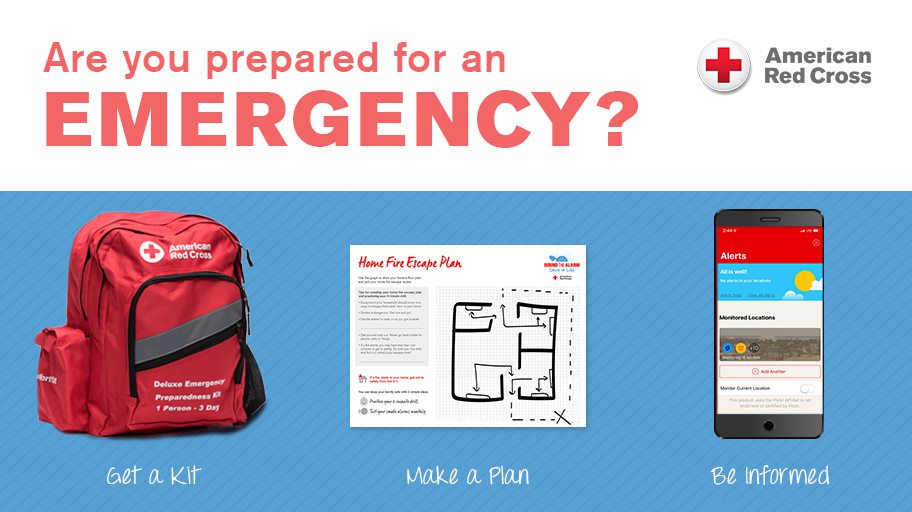
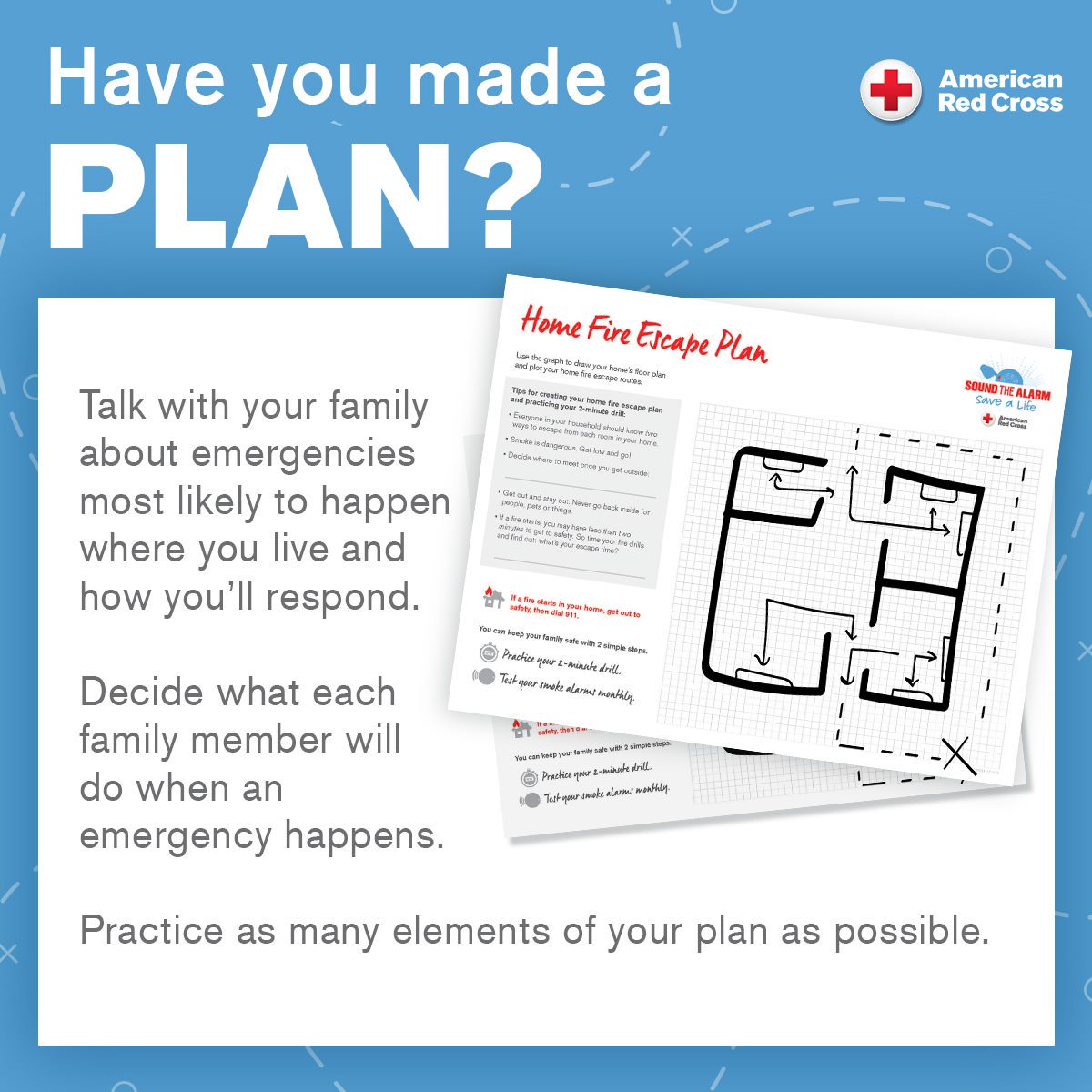
    This National Preparedness Month, the American Red Cross has stressed the importance of 1) getting a kit, 2) making a plan and 3) staying informed. But one size does not necessarily fit all. Some family members, including older adults and individuals with disabilities, may have specialized needs to consider before an emergency occurs. Below are some tips to help ensure each member of your family is prepared.

    Build a personal support network

    The Red Cross recommends that senior citizens and people with mobility, hearing, learning, or seeing disabilities create a personal support network comprised of individuals who will check in with you in an emergency to ensure your wellness and to give assistance if needed. Your network may include friends, roommates, family members, relatives, personal attendants, co-workers and neighbors. Ideally, a minimum of three people should be identified at each location where you regularly spend time.

    Complete a personal assessment

    No one know your capabilities and needs better than you. Think about what assistance you depend on for daily living or may need to safely evacuate during an emergency and share that information with your support network. Consider the following when completing your personal assessment:

    • Do you use adaptive equipment – like a cane, shower chair, special utensils, electric lifts or other tools – to help you live independently?
    • Is any of your equipment dependent on electricity? If so, do you have a back up? How long will it last?
    • Do you rely on a caregiver to help you get groceries and medications? What if he/she can’t reach you?
    • Do you need accessible transportation if you must evacuate?
    • Do you need help hearing or understanding emergency alerts? Can you communicate with emergency personnel?
    • Will you be able to care for your animal during and after a disaster?

    Gather information

    Knowledge is power. Contact your local emergency management office to learn about community response plans, evacuation plans and designated emergency shelters. Ask about the emergency plans and procedures that exist in places you and your family spend time. If you do not own a vehicle or drive, find out in advance what your community’s plans are for evacuating those without private transportation.

    For individuals with disabilities, ask about community assistance programs. Many communities ask people with a disability to register with the local fire or police department or emergency management office so needed help can be provided quickly in an emergency. Inform your personal support network that you registered and with whom. If you are electric-dependent, register with your local utility company as well.

    Make an emergency plan (and backups)

    When developing an emergency plan for your household, incorporate all of the information you gathered from your personal assessment and community outreach and share it with your family, building manager (if applicable) and personal support network. Make sure you can access your home’s exits – for example, do you need a wheelchair ramp? – and practice emergency evacuation drills at least twice per year. It’s also a good idea to practice your evacuation drill any time you change the layout of your home’s furniture or update your plan.