By Alana Mauger
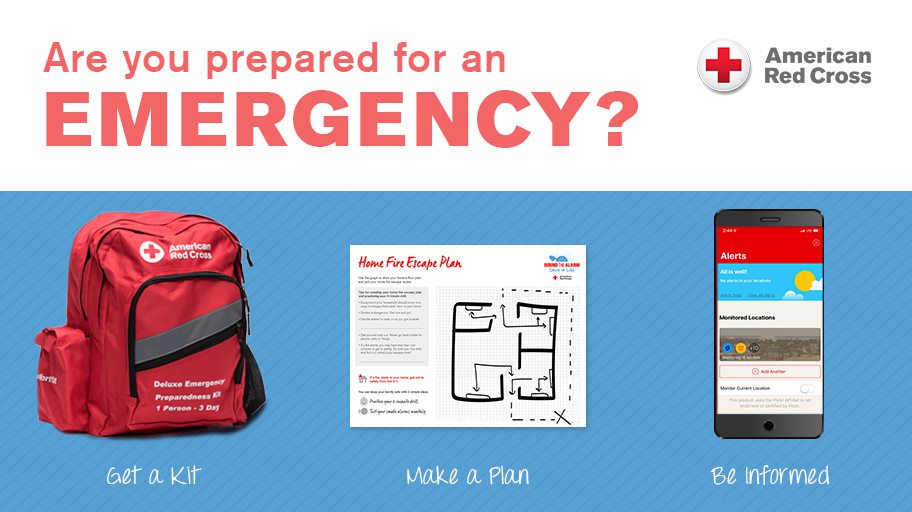
This National Preparedness Month, the American Red Cross has stressed the importance of 1) getting a kit, 2) making a plan and 3) staying informed. But one size does not necessarily fit all. Some family members, including older adults and individuals with disabilities, may have specialized needs to consider before an emergency occurs. Below are some tips to help ensure each member of your family is prepared.
Build a personal support network
The Red Cross recommends that senior citizens and people with mobility, hearing, learning, or seeing disabilities create a personal support network comprised of individuals who will check in with you in an emergency to ensure your wellness and to give assistance if needed. Your network may include friends, roommates, family members, relatives, personal attendants, co-workers and neighbors. Ideally, a minimum of three people should be identified at each location where you regularly spend time.

Complete a personal assessment
No one know your capabilities and needs better than you. Think about what assistance you depend on for daily living or may need to safely evacuate during an emergency and share that information with your support network. Consider the following when completing your personal assessment:
- Do you use adaptive equipment – like a cane, shower chair, special utensils, electric lifts or other tools – to help you live independently?
- Is any of your equipment dependent on electricity? If so, do you have a back up? How long will it last?
- Do you rely on a caregiver to help you get groceries and medications? What if he/she can’t reach you?
- Do you need accessible transportation if you must evacuate?
- Do you need help hearing or understanding emergency alerts? Can you communicate with emergency personnel?
- Will you be able to care for your animal during and after a disaster?

Gather information
Knowledge is power. Contact your local emergency management office to learn about community response plans, evacuation plans and designated emergency shelters. Ask about the emergency plans and procedures that exist in places you and your family spend time. If you do not own a vehicle or drive, find out in advance what your community’s plans are for evacuating those without private transportation.
For individuals with disabilities, ask about community assistance programs. Many communities ask people with a disability to register with the local fire or police department or emergency management office so needed help can be provided quickly in an emergency. Inform your personal support network that you registered and with whom. If you are electric-dependent, register with your local utility company as well.

Make an emergency plan (and backups)
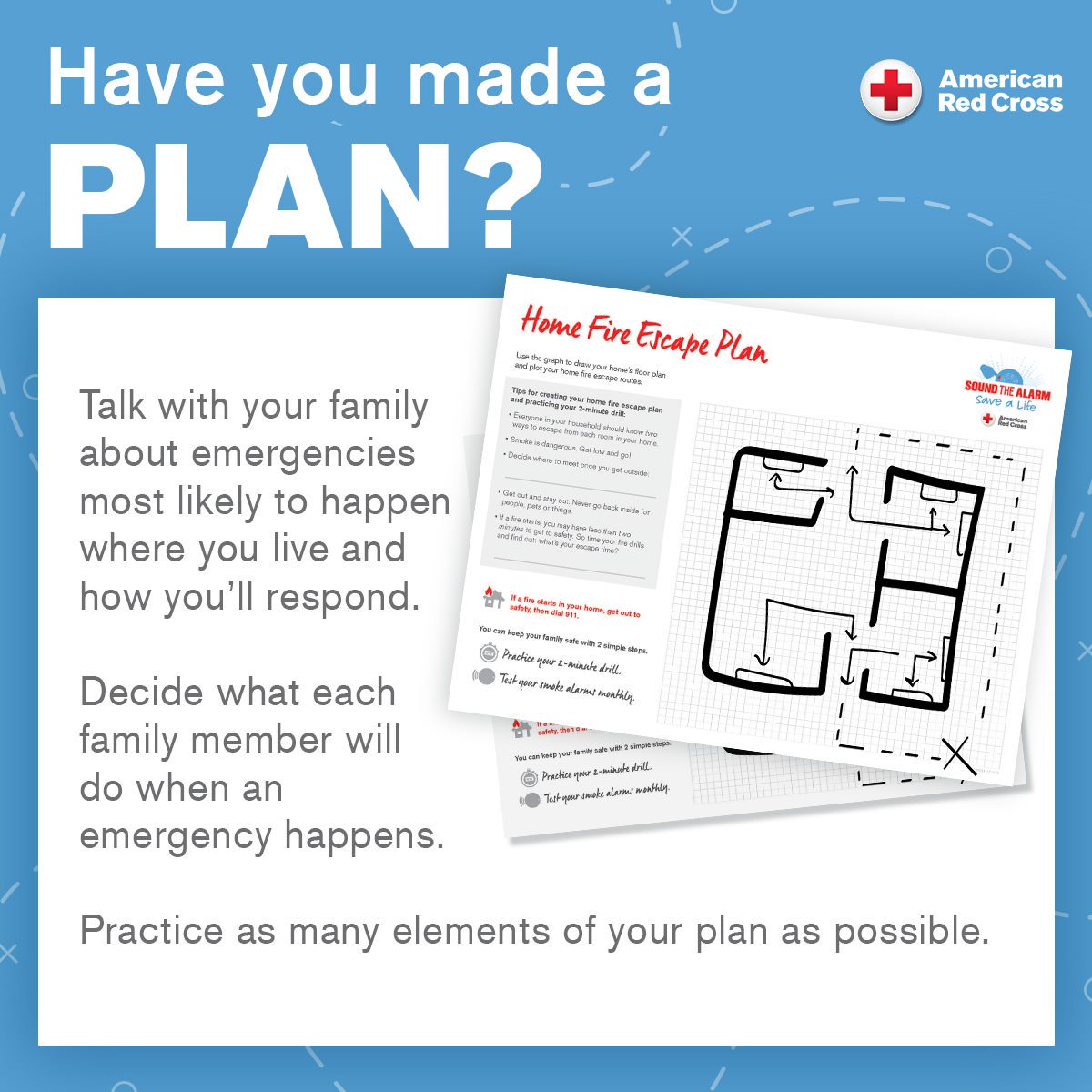
When developing an emergency plan for your household, incorporate all of the information you gathered from your personal assessment and community outreach and share it with your family, building manager (if applicable) and personal support network. Make sure you can access your home’s exits – for example, do you need a wheelchair ramp? – and practice emergency evacuation drills at least twice per year. It’s also a good idea to practice your evacuation drill any time you change the layout of your home’s furniture or update your plan.
Leave a Reply