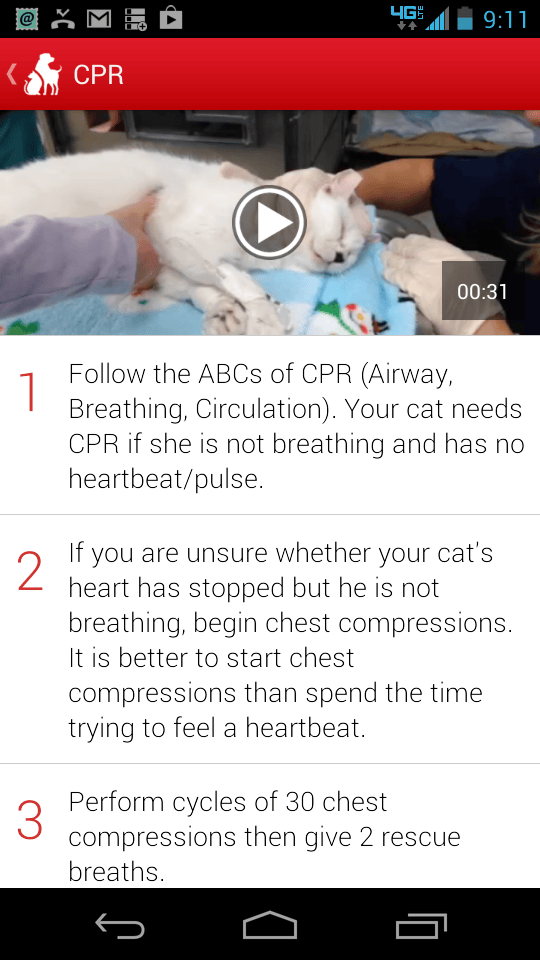
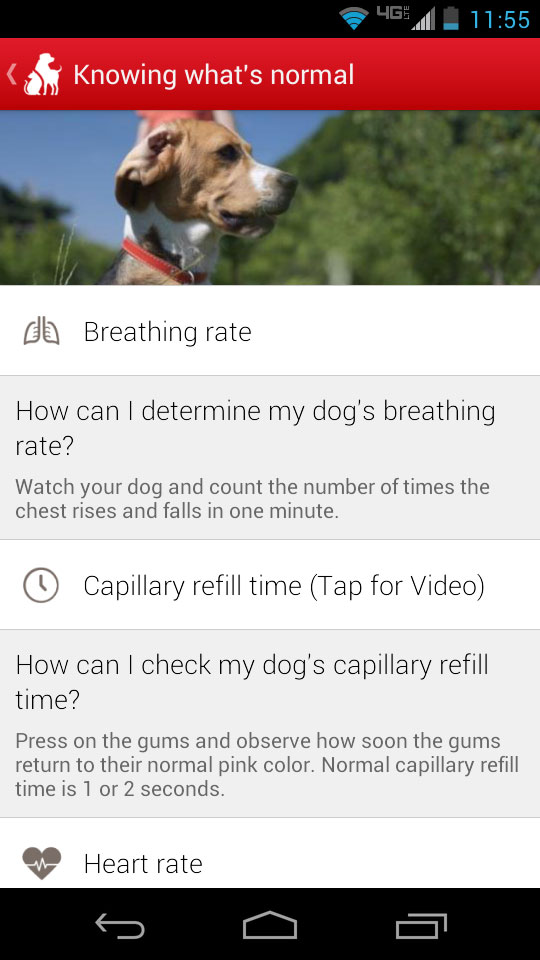
Always an option: If people don’t wish to go to a Red Cross shelter and prefer a hotel and they have pets, we encourage them to download the American Red Cross Pet First Aid app. It includes a feature that will locate the nearest pet friendly hotels to them.
They can find it at redcross.org/mobileapps or by searching Red Cross on the iPhone App and Google Play stores.
The Red Cross asks that you do NOT drop off supplies at the shelters. It creates major logistical problems. If folks wish to help, they can make a financial donation at redcrossphilly.org
As power is restored, please take a moment to read these tips, or print this handy sheet to make sure you know what food is safe and more about how to safely get back to normal following a power outage.
CLICK HERE to learn more about what you will find at a Red Cross Shelter.
CLICK HERE for VIDEO about the Red Cross response as of 5PM 2/5.
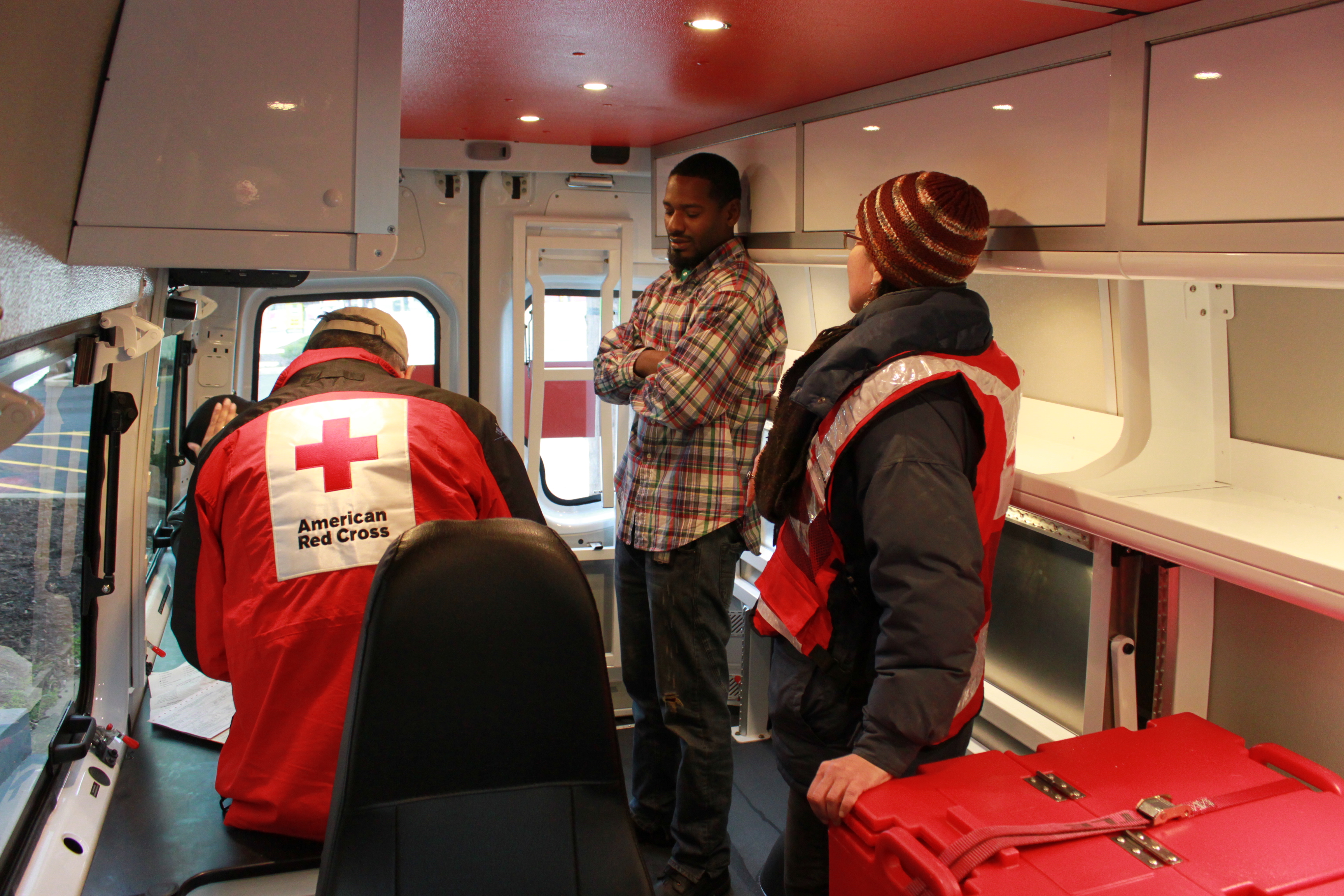
An American Red Cross volunteer meets with two people at the Lionville Middle School shelter in Chester County. photo credit: Sara Smith/American Red Cross
Today (January 16, 2014) is a very exciting day for the American Red Cross. It launched its Pet First Aid App for iPhone and Android. It is particularly exciting for the American Red Cross Southeastern Pennsylvania because the content and information in the app was provided by Dr. Debbie Mandell, an emergency room veterinarian at the Ryan Veterinary Hospital at the University of Pennsylvania here in Philadelphia. Dr. Mandell also serves as a pet advisor to the American Red Cross.
In order to launch the app, the Red Cross held what’s called a Satellite Media Tour at a studio in Philadelphia, featuring Dr. Mandell, a Red Cross national spokesperson, two pet first-aid CPR manikins, and Mana, the best behaved dog ever known to attend a media event. Basically, TV and radio stations across the country did interviews with them, one after the other.
I got to work on this project because of my position with the Red Cross here in Philadelphia. We did site surveys at Penn Vet’s ER, but we couldn’t logistically work out a way to showcase pet emergency care; the unpredictability of a pet emergency room could make for great TV or awful TV. We couldn’t take the chance on the latter.
Dr. Debbie Mandell (L) of Penn Vet and Laura Howe of the American Red Cross, and Mana the dog, during media interviews about Red Cross Pet First-Aid app.
So for about six hours this morning, Dr. Mandell, the spokesperson, and Mana sat in a studio saying the same things over and over about the Pet First-Aid app. They explained for what seemed like a thousand times, the app’s many features, did pet CRP demonstrations, and showed what items should be in every family’s pet first-aid kit.
One thing in particular stands out to me from the series of interviews this morning. Dr. Mandell really did a geat job emphasizing the dangers in your home that you may not be aware of. She mentioned certain plants and flowers are toxic to cats and dogs. I had no idea. The Red Cross Pet First-Aid app identifies those plants for you and what to do if your pet eats or licks any of those plants.
My two dogs died a few years ago, so I don’t have any pets, but I can still use the app. It is useful for me to help potential Red Cross clients with pets, who need a place to go after a fire or flood, find nearby pet friendly hotels. Often, concern about what to do with their pets prevents people from evacuating. This app helps alleviate those concerns. Jen Leary, who runs the local pet disaster rescue organization Red Paw, downloaded the app and says the pet friendly hotel and vet locator portion of the Red Cross app is a “game changer” for her volunteers in the field.
But if you have a pet, you definitely need to consider downloading it. The 99 cents seems like a small price to pay for an app that has so many great, potentially lifesaving features. Plus the 99 cents goes to support all Red Cross services, including disaster relief. To do that go to redcross.org/mobileapps or search Red Cross on iTunes or Google Play. And help ensure you’re prepared to care for you pets like any other member of your family.
Does your home have a working fire alarm? Do you have an escape plan in the event of a fire? Did you remember to turn off the stove?
Growing up in the suburbs near Trenton, New Jersey, I found questions like this a nuisance because fires in my area were a rare event. It was not until I began school at Temple University that I started to appreciate why my school engraved fire safety tips into our minds. During my years at Temple, I would often hear a sound unfamiliar to me when I lived in the suburbs; the sound of a fire truck siren. To my surprise, it was not uncommon to see a fire truck racing down Broad Street three, four times a week. Now, working at the Red Cross as an AmeriCorps NPRC member, I’ve seen first-hand the effects of fires on the people of Philadelphia and the importance of fire safety.
September was National Preparedness Month, and one of the things we all need to prepare for is fires. Fire is an unforgiving chemical process that will continue to spread and be fatal if not accounted for. Of the 74,000 disasters Red Cross responded to this past year, 93 percent of them were fire related. In fact, fire kills more Americans each year then all the natural disasters combined. As National Fire Safety Month begins, it is essential for everyone to take steps to help protect their homes and the people they care about.
Common house hold items are often a source of fire; anything from the stove in the kitchen to the space heater used to warm up the house during those cold winter nights are all potential fire hazards. Even things we cannot see like the wiring behind the wall can cause fires. It is important to learn more about these items in order to prevent fires from occurring.
The most important way to help save lives in the event of a fire is that first alert to a problem. This is why it is essential to install and maintain all smoke alarms throughout the house. Smoke alarms can help notify people a fire is occurring and help them escape before the fire spreads to all available exits in the house. The next thing you must do is have and practice your escape plan. In fact, the Red Cross recommends having at least two ways out of every room in your house. At Temple, that meant investing in a fire ladder for myself. My second way out was through a third story window, so I had a ladder ready, just in case.
Preparing and planning for fires can protect what you love most. Please take the time to visit http://www.redcross.org/prepare/disaster/home-fire to learn more about fires in order to prevent them and prepare for them in the event that a fire does occur in your home.
September! What a great month. The weather is fine. Tired parents get a break from school age children. At the end of summer, we refocus our energies and prepare for the change in seasons. And sometimes, the seasons change rather dramatically, which is why September is National Disaster Preparedness Month.
The American Red Cross is recognizing this important time by sponsoring the fantastic and funny television advertisement above. In the ad, a young couple discusses the husband’s unusual choices for their Emergency Supply Kit. Eschewing a battery powered radio, he includes pancake batter, practical joke items and gummy worms instead. Over at the Federal Emergency Management Agency (FEMA), assisted by the American College of Emergency Physicians, they are piloting an online game called Disaster Hero, to help people of all ages learn to prepare for an emergency. These are great initiatives, and I encourage any and all savvy citizens to watch the ad, giggle, play Disaster Hero, share it with your family members and enjoy. And after you are done enjoying. . .create your freakin’ emergency kit, already, and stick that thing in the trunk of your car, for goodness sake!
We are serious, people. Someone clever wrote the script for that ad. We hired real actors, who spent days shooting it. There were cameramen, and set designers, and prop people and all the other craziness that goes into making a decent piece of televisual media. The American College of Emergency Physicians hired game designers who thought hard about how to make Disaster Hero appealing and educational. We’ve put in a lot of effort here. Now it’s time for you to do the same.
It’s easy. It’s so easy, even my chaotic, disorganized family of several teenage boys managed to get this done. Here’s what’s in our Emergency Supply Kit:
Water—one gallon per person, per day (3-day supply for evacuation, 2-week supply for home) That means we have 2-3 five gallon tanks per person stored in our house at all times that can be moved to the car if necessary. It’s also possible to sterilize old milk jugs and use tap water.
Food—non-perishable, easy-to-prepare items (3-day supply for evacuation, 2-week supply for home) Oatmeal, canned beans and rice—because these items are easy to store, healthy and filling. Nuts and peanut butter – because these items are very high calorie and great for large, hungry boys. Also, whole wheat crackers, lots and lots of energy bars, dried fruits. We included some canned tuna, for protein. As far as canned veggies, we could only agree on peas and carrots so that’s what we have. My sons may have included a bag of gummy worms. They seemed to feel that one item should lighten the mood.
Flashlight We have several in our kit. Each boy wanted his own.
Battery-powered or hand-crank radio (NOAA Weather Radio, if possible) and extra batteries I know it’s hard to imagine losing the ability to access info with your smartphone, but networks become overwhelmed in an emergency.
Medications (7-day supply) and medical items Tylenol or Ibuprofen, as well as other medications. In our case, an extra inhaler goes in the kit as well.
Sanitation and personal hygiene items Ladies take note! Also, TP, TP and more TP. Paper towels are a great idea as well. Don’t forget to include some of those wonderful cheap plastic bags from the grocery store. We all have like 300 of them in a drawer in the kitchen, don’t we? Our kit also includes garbage bags.
Copies of personal documents (medication list and pertinent medical information, proof of address, deed/lease to home, passports, birth certificates, insurance policies), family emergency contacts, extra cash and a good area road atlas Do it. Get it done. Zip it in a seal-able plastic bag, and keep it in a place you can grab it if you need to take it in your car. I don’t recommend keeping this info in your car all the time.
Emergency blankets We have a few because there are so many of us, and they are all for me because, as the only one without gobs of testosterone coursing through my veins, I get the coldest. Okay, that might be an overstatement, but you never know when you might need to be warm in your car.
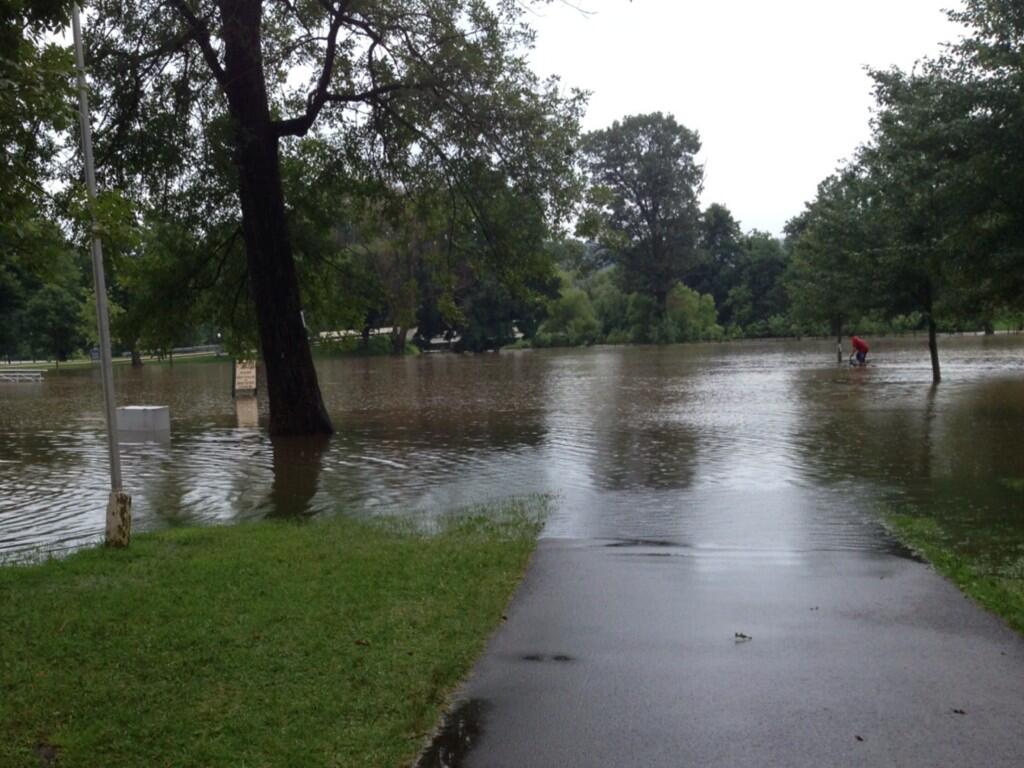
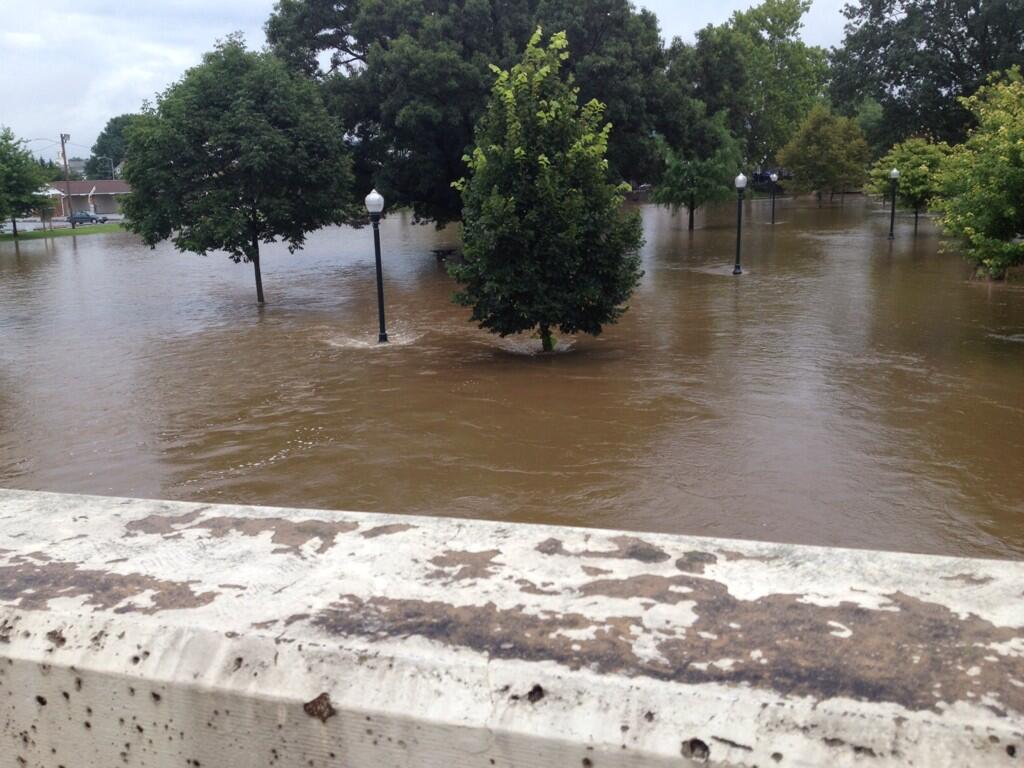
With heavy rains amongst us and the peak of hurricane season fast-approaching, it’s important to be prepared and know some basic safety tips when it comes to flooding. Floods not only occur frequently, but the resulting damage can be quite costly. They are often caused by heavy or steady rainfall for several hours or days that saturate the ground. Particularly, flash floods occur suddenly due to rapidly rising water along a stream or low-lying area. Often weather forecasters will use different terms to describe floods. While a “flood/flash flood watch” describes a possible flood in your area, a “flood/flash flood warning” emphasizes that a flood is already occurring or will occur soon in your area.
In addition to knowing the predicted weather conditions of your region, it’s important to be prepared for any possible or sudden evacuations. When a flood warning is issued for your area, head for higher ground. Stay away from all floodwaters and keep children away from streams or running water. If you do happen to come across a flowing stream of water that reaches above your ankles—stop, turn around, and go another way. Stick with the motto, “Turn around, don’t drown!” Remember, six inches of swiftly moving water can sweep you off of your feet. These basic rules also apply when driving. If you come upon a flooded road while driving, turn around and go another way. If you are caught on a flooded road and waters are quickly rising, move to higher ground. Most cars can be swept away by less than two feet of moving water. It’s especially important to be cautious at night when it’s harder to recognize flood danger and difficult to perceive how deep the water really is. More tips on flood preparation can be found here.
While it’s definitely important to be aware of these basic safety tips when it comes to flooding, you can find more tips on what to do right before, during, and after a flood by using the free hurricane app from American Red Cross for iPhone and Android. Along with tips, it provides preloaded checklists, tracker maps, and alerts that can help you in times of a flood watch or warning. It even provides emergency tools such as a flashlight, strobe light, alarm, and an “I’m Safe” feature that allows you to communicate with others on your current condition via Twitter, Facebook, SMS, and email. In times of flooding, stay informed, be prepared, act smartly, and make use of the tools available on the Red Cross Hurricane App.
Download the app here for iPhone and here for Android.
The 4th of July is only a day away! Who doesn’t love this holiday? We celebrate the founding of our nation, we get together with friends and family, we grill delicious food and, if we are really lucky, we get to see an awesome fireworks display.
Sadly, this summer of 2013, the weather is not cooperating. For the last week, we have been experiencing intermittent heavy rain along with lightening and thunderstorms. This weather pattern is supposed to continue throughout this week as well. Although the pattern may clear at the end of the week, some of us could be spending the Fourth dodging thunderstorms. Therefore, it is very important to know some basic outdoor weather safety tips when it comes to thunder and lightning. Despite the weather, the American Red Cross wants everyone to have a safe and enjoyable holiday.
The safest place to be during a lightening storm is inside an enclosed building. If you can’t get to shelter, below are tips to keep your safe.
1. Avoid small shelters and pavilions in open areas that may attract lighting strikes
2. Do not try to hide under trees, but if trees are you only shelter choose the smallest tree possible.
3. Avoid bodies of water such as swimming pools, lakes, ponds, rivers, and oceans
4. Avoid being on high ground, and near tall objects or metal objects such as fences, wires, bikes, construction equipment and wires.
5. Distance yourself at least 15 feet away from other people in the area to prevent lightening bolts from jumping from one person to another.
6. If you are in the immediate area of lightening, crouch down with feet together and head down to prevent the possible attraction to lightning strikes.
7. When driving, if possible, pull off the road to avoid being blinded or startled by the lightening. Do not get out of your vehicle and make sure all windows are rolled up.
If someone is struck by lightening they usually lose consciousness. After a person has been struck, no electrical charge will remain in their body, and they can safely be handled without shocking others. Intense electrical shock can stop a person’s heart, and proper CPR can be critical until emergency helps arrive.
Basically, it’s important to use common sense. Check local media for weather reports and be informed. If the weather looks frightful, move your celebration inside or, at least, near to a sturdy shelter. Stay safe and Happy Fourth of July from the Southeastern Pennsylvania Red Cross.
~posted by communications volunteer, Sarah Peterson
I’ve never really known the huge impact a hurricane can have on a community until Hurricane Sandy this past October. It was devastating to see people lose their homes to the storm. It never affected me when I was little, but it definitely does now. When you’re younger your parents do everything for you, think and act on your behalf, and you just follow their lead. Now that I’m 20 years old and living on my own, I’ve come to realize I am not prepared for the fast-approaching hurricane season, and would not know what to do in case of an emergency. Not only is it National Hurricane Preparedness Week, but Hurricane season officially begins June 1st and runs through November 30th. The National Oceanic and Atmospheric Administration (NOAA)predicts an active season. NOAA estimates between 7 and 11 Atlantic hurricanes (winds of 74 mph or higher), potentially above average. This definitely caught my attention and is making me take the steps to be fully prepared this upcoming season.
There are Red Cross ready online tools, a downloadable app and web-based training modules available. Preparing ahead of time is the best way to be ready for any emergency or weather disaster.
With the hurricane season nearby, it is important to prepare early and make sure everything you need is available and ready. The Red Cross encourages three simple steps for at-home preparedness. They are, get a kit, make a plan, and stay informed.
The kit should comprise of gallon of water per person, per day, non-perishable food, a flashlight, battery-powered radio, first aid kit, medications, supplies for an infant if applicable, a multi-purpose tool, personal hygiene items, copies of important papers, cell phone chargers, extra cash, blankets, maps of the area and emergency contact information. All of these tips and advice can be found on the American Red Cross website,
Following that advice is what I’ll be doing to get ready for this upcoming Hurricane season. Staying informed is important, and you should be aware of the community evacuation plan, local shelters nearby, but also be aware of flooding in nearby areas. For families, preparing for a Hurricane is a little different, in that the amount of supplies increases and there is a need to sit down as a family and make a plan, so everyone understands what to do in case of emergency. Keeping up with the emergency information is very important during Hurricane season, and when a Hurricane hits, it is important to have a battery powered radio accessible.
Another way to get prepared, and a more convenient way, is to use the American Red Cross Hurricane app. It is full of everything you need to stay prepared during a Hurricane. There is a toolkit with a flashlight, strobe light, alarm, and there is also an “I’m Safe” option, which allows you to post to social media websites of your safety. There are also Prepare, Test, Hurricanes, Shelters, and More tabs, which all provide information on what to know during a Hurricane, and how to handle emergency situations. The Prepare tab has a Right Before section, a During, After, Plan Ahead, and Make a Plan section, so you’re always ready. There is an active storm tracker and shelter map, showing where all the nearby shelters are during disaster relief. The App is a great way to access information on your smartphone and will be more than useful this upcoming hurricane season; I know I’ve already downloaded it!
Events like yesterday’s bombings at the finish line of the Boston Marathon make us feel terribly vulnerable. Our first thought is that we might know people who were running the race, or that friends or relatives in Boston were planning to spend their Patriots Day Holiday watching runners finish the final mile.
Marathon organizers estimate that 500,000 people line the course annually to cheer on an average of 20,000 runners. When the bombs went off yesterday afternoon and news reports began to disseminate all over the world, thousands and thousands of people picked up a phone to assure themselves that their friends and acquaintances in Boston had not been hurt or injured. Cell phone networks serving eastern Massachusetts were promptly jammed and no one could reach anyone for several hours.
This is not an unusual occurrence after a serious disaster. Communication between the outside world and the people experiencing the disaster becomes difficult. Overwhelmed cell phone networks, power outages and requests for people to “shelter in place” make it difficult to get the word out that everything’s okay, and perhaps a grandmother on the West Coast should not be worried.
The American Red Cross runs an essential service to help people get in touch during a disaster. On the Red Cross website, visitors who are in an area affected by a disaster can register themselves as “Safe and Well” by entering place of residence information and choosing a brief message that explains their status. That information can be accessed by anxious friends and relatives who can’t reach their loved ones through traditional channels.
Perpetrators of terrorism mean to hurt and maim, but they also mean to make us afraid. A service like “Safe and Well” works to establish peace of mind. It begins to heal the injury to our psyches.
To get the the website pictured above, go to redcross.org/safeandwell. Also, check out this helpful video.
Each year, the public affairs department of the Red Cross of Southeastern Pennsylvania (SEPA) makes a list of our “Top 20 Accomplishments” in order to take stock of our activities in the prior year and to let our friends know we have fulfilled our mission to the best of our ability. Funny thing about this list – it rarely appears in early January when one might expect to see it. Why? Because we’re often a little busy.
Our most important work, helping those who face disasters, always comes first. The #1 accomplishment on the list mentions Superstorm Sandy, the enormous hurricane that hit the East Coast in early November. During and in the wake of such a serious event, our small public affairs department went into overdrive to share important information with the public about preparedness, explain what SEPA is doing to support our community’s response to the storm and jumpstart our fundraising efforts. Just when we’d got a handle on all that, it was the depth of winter, a time when the Philadelphia region is plagued by fire disasters that keep us on our toes.
So here we are, on February 21, 2013, ready to share and celebrate our 2012 accomplishments with a marvelous multi-media presentation! As we do every year, we printed a booklet with photographs and in-depth explanations of our activities throughout the year. (here’s the Top20_2012_Final) In addition, as part of our digital and social media efforts, we will devote a part of our website to displaying a digital version of our booklet and, for the first time ever, a video display of the many ways we achieved the goals of our mission. Dear Reader, please click on this link to experience our moment of reflection in a wholly new and exciting way. I watched it this morning and I was amazed, captivated and utterly floored by its power to convey our message.
Like our mission itself, the video is a testimony to working together to achieve a goal. The SEPA public affairs team consists of our fearless leader, Dave Schrader and his tireless communications specialist, Sara Smith. The rest of us are volunteers who wander in and out throughout each week, contributing as best we can. I think all viewers will agree that our intrepid video interns, Michelle Davies and Kareem Bazali, did a fantastic job of putting the video together. The fades to black and white were Sara’s brainchild, informed by her background in TV, and she curated the beautiful photos. I did some shaping of the language in both the booklet and the video. Dave was the mastermind behind the list itself and a wise producer and director of all our efforts.
We are extremely pleased with our final Top 20 compilation and gratified by our role in sharing the SEPA story with donors, volunteers and friends. But we are proudest of the work itself — SEPA’s ongoing efforts to alleviate suffering and create a more humane, caring and just world.
– Submitted by Sarah Peterson, public affairs volunteer
Hey, people of our Philadelphia region! Did you know that the current fleet of American Red Cross Emergency Response Vehicles is undergoing a redesign process?
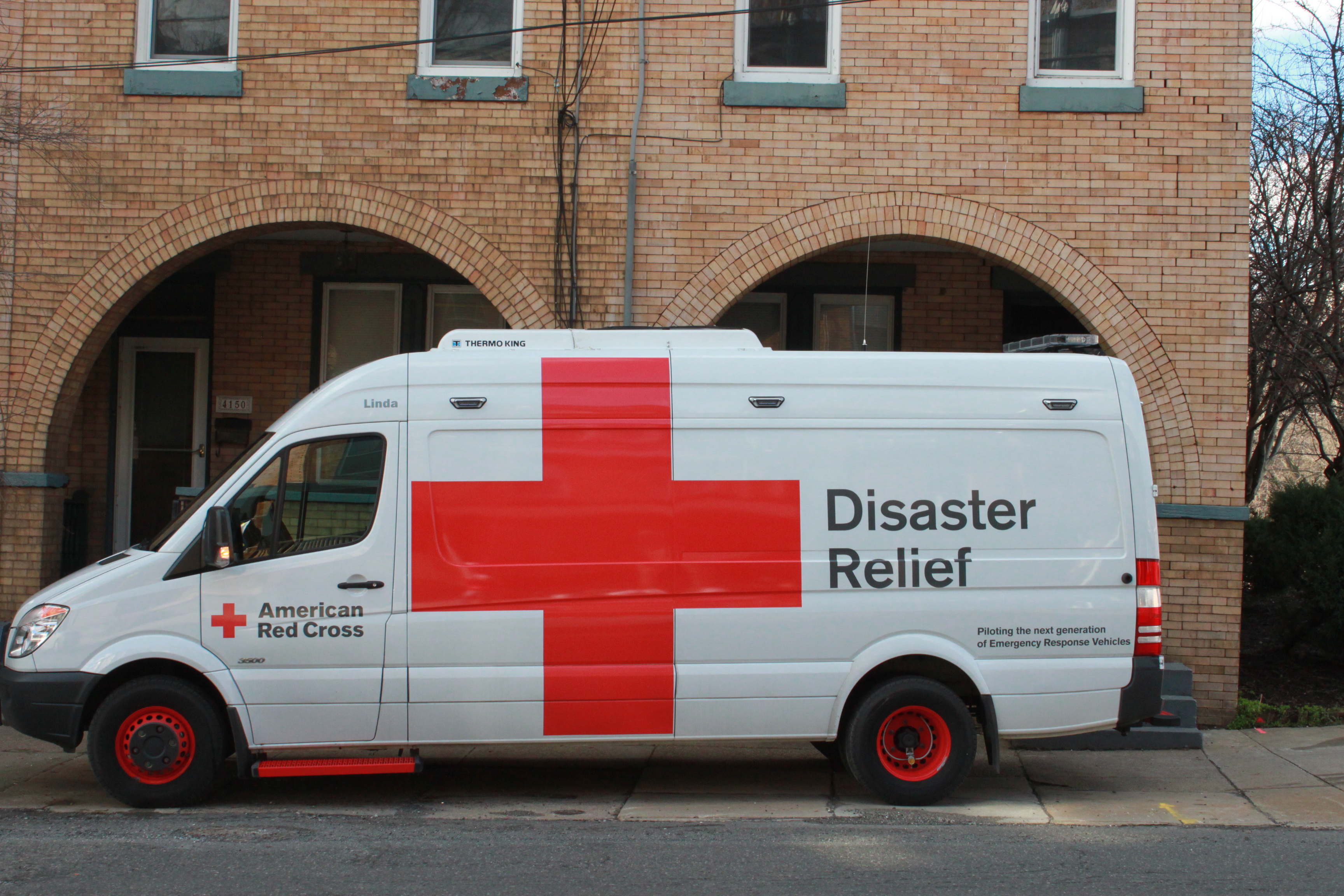
This week, the American Red Cross of Southeastern Pennsylvania (SEPA) will play host to the newly designed prototype of our Emergency Response Vehicle (ERV). The new prototype will stop in Philadelphia as part of its journey to Red Cross Chapters all over the country. The idea is to allow chapter employees and volunteers to provide feedback on its design and make any recommendations for changes once they have used the vehicle in the field.
American Red Cross ERVs have become an iconic symbol of our disaster relief services. In 1898, Clara Barton used a wagon as an ambulance for her work on the battlefield. Later, the organization used club mobiles to serve WWII soldiers. Before standardization began in the 1980s, the Red Cross used converted bread trucks, station wagons and pickup trucks painted with our iconic logo to deliver meals and other essentials after disasters. The current “ambulance design” was first used to support people affected by tornados in Western Pennsylvania.
Wise readers familiar with the current design know that it resembles a large box on wheels and is slightly unwhieldy to drive. The new model will lighten up, resembling the more agile service vehicles sometimes seen in densely packed European cities. Still, the key to it all will be whether these vehicles help our trained responders meet the needs of our clients in a timely and humane way. The national fleet of 320 ERVs is now more than 10 years old and is challenging to maintain. Once the new design is chosen, the Red Cross plans to completely replace and expand the existing fleet over the next ten years.
As always, the Red Cross will make changes with an eye toward efficiency and the bottom line. The new ERV’s will be less expensive to purchase and maintain. According to my colleague, Sara Smith, who rode in one this morning, the new design emphasizes comfort, fuel efficiency, storage and connectivity. They provide enough space for our trained responders to meet with clients inside the van, away from the scene of the disaster. I know our volunteers will appreciate the opportunity to take clients away from water or smoke and shelter them immediately. The ERVs will also include an external dynamic messaging system, allowing responders to share real time information with others.
SEPA is excited to take part in this testing process. We will be seeking to discover if the new ERV’s features — such as a loading/unloading system, enhanced technology and a back-up camera – meet the needs of people who turn to our chapter for help after disasters. This new model may not be “the one” but it’s really great get the chance to take it for a spin.
– Submitted by Sarah Peterson (Communications Volunteer)