Category: Safety Tips

  • Drilling for Tornadoes in Chester County

    The Southeastern Pennsylvania Red Cross is holding a Tornado Readiness Drill in Chester County this weekend.

    Wow. . . . really?!

    When I was a kid growing up in the Philadelphia region we didn’t talk much about tornadoes. These strange, powerful, spiraling storms were something that happened to other people in some distant part of our land, or better yet, a magical force that dropped a house on a Wicked Witch in the Wizard of Oz.

    I maintained this state of blissful ignorance until 2005, when a Microburst (an extreme weather event similar to a tornado), dropped about 35 ancient trees in our town in northern New Jersey. Trees came down on several houses, on almost every main road and on power lines. It took only five minutes of extreme summer weather to make an idyllic suburban landscape treacherous for everyone and impenetrable for emergency responders.

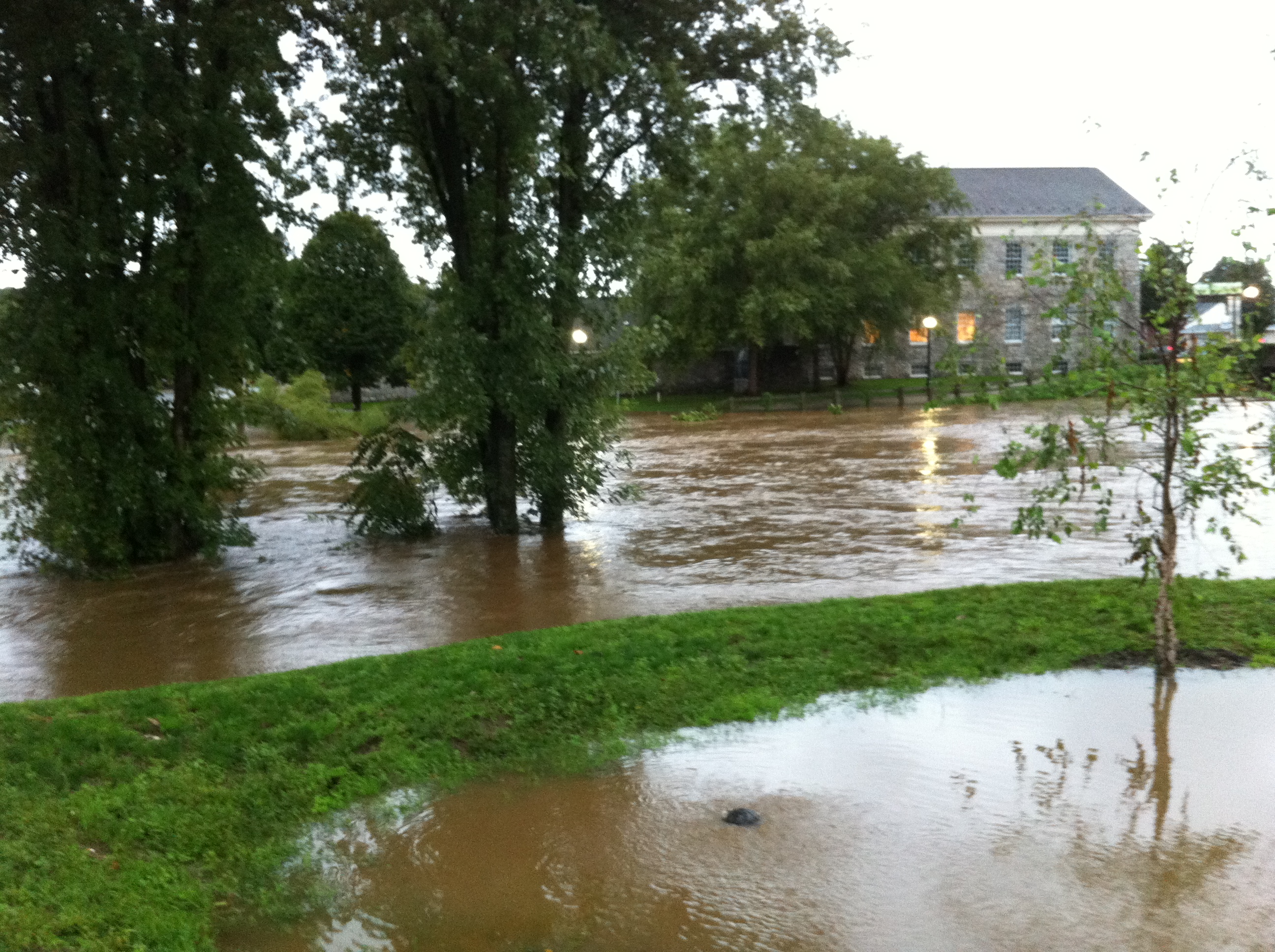
    Tornadoes popped up in some unusual places in the summer of 2011. One roared down the main street of Springfield, Massachusetts in the first few days of June. You read that right, my friends – Massachusetts. It was one of 19 tornadoes in New England that day. Four people were killed in those storms. On May 19th, 2011, in Northeast Philadelphia, a tornado touched down in the mid-afternoon with 75 mile per hour winds and a 100 by 300 ft. path of destruction.

    The Southeastern Pennsylvania Red Cross takes the increased threat of tornadoes in our region very seriously. We strive to prevent disasters, prepare for their aftermath and alleviate the suffering of victims. In order to succeed, we must practice. We do so by conducting Readiness Drills at locations in our vicinity that may need assistance in the event of a weather related emergency. To this end, we will conduct a Tornado Readiness Drill on Saturday, June 2 at Avon Grove High School in West Grove, Pa. between 8 a.m. and 3 p.m. The Chester County Department of Emergency Services, Chester County Animal Response Team, Medical Reserve Corps, and Chester County Food Bank, will take part in training volunteers to respond to a hypothetical severe tornado where homes and businesses are destroyed and hundreds of people need a safe place to go.
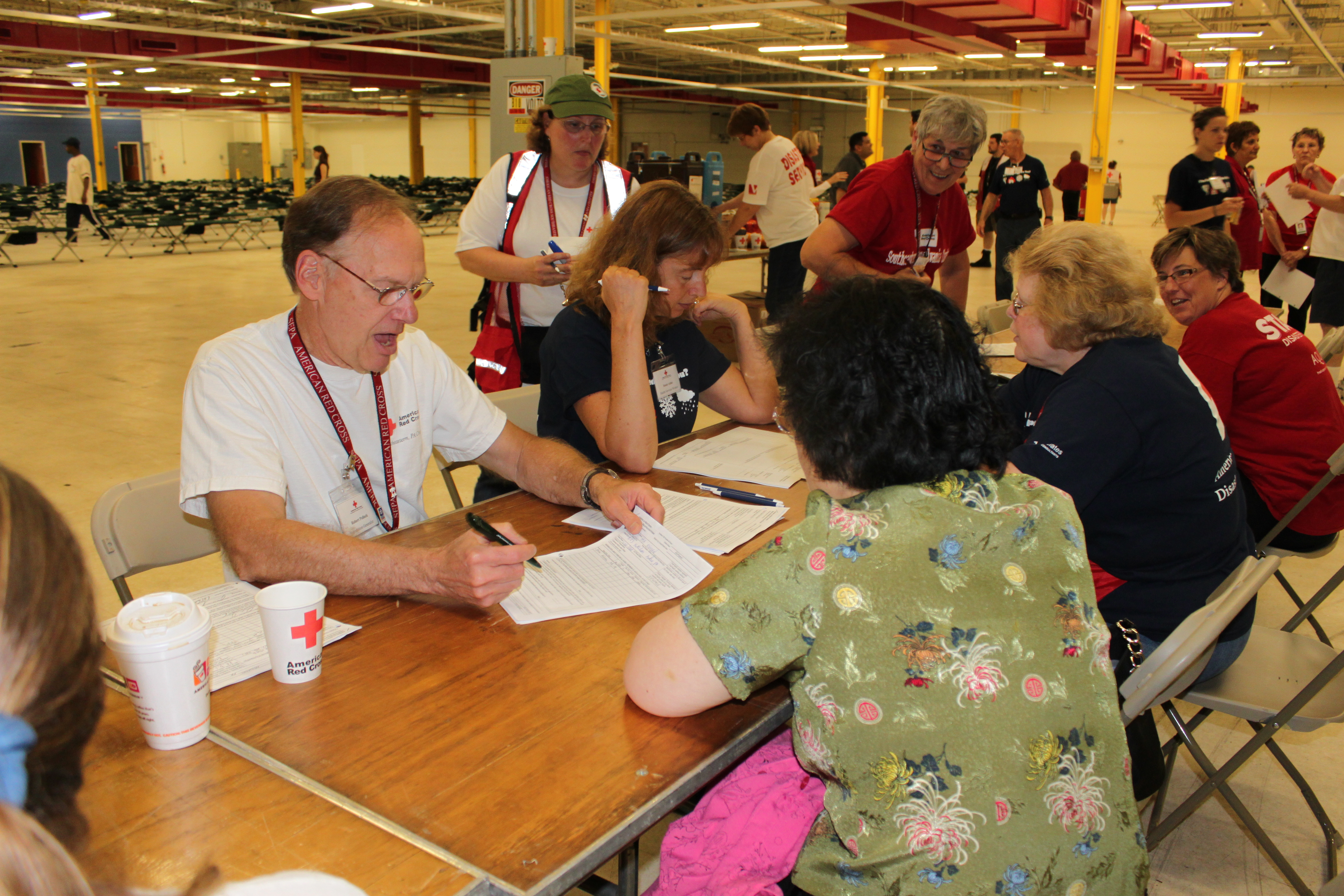
    Last year, a hurricane readiness drill (pictures above) proved invaluable when Hurricane Irene hit our region in August. Participants who practiced critical disaster relief skills like sheltering, food distribution, providing basic medical and childcare needs, caring for pets, and overall disaster response decision making were better able to anticipate problems and meet the needs of those affected. Although these are weather based drills, they help us practice our response to any large scale disaster.

    If you are one of our generous donors, you not only support our response to disasters, your donation also helps us prepare for events we don’t know about yet. We could not hold these practice drills without your contributions and we are so grateful for your support of our efforts to be better prepared in the event of an emergency.

    If last year, and indeed the last 10 years are any indication, tornadoes are no longer something that Philadelphia area children wonder about in ignorance. They are now part of our world. The Southeastern Pennsylvania Red Cross will be there, and with the knowledge we gain from preparedness drills like the one in Chester County this weekend, we will be ready.
  • Water Wellbeing

    It can take less than three minutes for a young child to drown in water.

    According to the Centers for Disease Control, “Most young children who drowned in pools were last seen in the home, had been out of sight less than five minutes, and were in the care of one or both parents at the time.” As pools open all over the region this Memorial Day Weekend, we at the Red Cross of Southeastern Pennsylvania (SEPA) urge you to take precautions.

    Here’s a story for you. Let me preface this by saying that I’m a highly devoted mother. I can’t say I practiced attachment parenting with my three sons but they practiced attachment child-ing on me so it all amounts to the same thing. So, moving on, we were vacationing at a hotel with a small beach and a pool and one climbed up from the beach to the pool via a steep stairway. Consequently, one always arrived at the pool from the beach slightly breathless and disheveled as well as carrying numerous water and sand toys, towels and other essentials. In addition, the climb was spent urging the small boys ahead of me to “hold on the rail”, “keep going”, “watch where you step” and “be careful!” It’s no wonder that my first instinct, upon reaching the pool deck, was the to find a lounge chair and unburden myself.

    Well I don’t really know how long the unburdening took, but when I turned around my three year old was sinking fast. The wide expanse of blue in the deep end sidetracked him on his way to the kiddy pool and he jumped right in. I didn’t hear him hit the water. I didn’t hear his subsequent struggle. I needed to see what was happening to understand that a serious emergency was underway. Thank goodness I hadn’t decided to re-apply sunscreen while continuing to look the other way. My fellow pool visitors were reading, drinking, sleeping and sunbathing. They had not noticed either and, like most hotels, the pool was unguarded.

    Most pools that children drown in are unguarded. Most are in the back yards of residential homes. Some are baby pools containing three inches of rainwater. Small children are curious. They will find the water and try to play in it. After all, baths are fun!

    Here at the SEPA Red Cross, disaster prevention is part of our mission. Please consider taking the following precautions while enjoying the water:

    • Consider designating a responsible person as a lifeguard for small swimmers.
    • Don’t depend on rubber inflatable devices, such as “floaties” to keep children safe
    • Put up a fence around a larger pool and install an alarm.
    • Set clear guidelines for the use of diving boards and pool toys.
    • Make sure baby pools are empty or supervised and limit access to above ground pools by blocking ladders, etc.
    • Learn how to respond to a water emergency.
    • Please follow this link to the national Red Cross site.

    These are simple steps but they can prevent a horrible tragedy.

    My son is now a handsome 14 year old with lots of lip for his mother, but I’ll never forget how quickly he was in danger in the water. Every parent should give water priority in the collection of hazards that threaten our children. If you are a parent or caregiver, “child drowned” is a very sobering Internet search but may be a five-minute journey worth taking as a new summer season comes upon us.

  • What can you do to stay prepared for a Hurricane?

    The Boy Scouts had it right: “Always be prepared.”  There’s nothing worse than being caught off- guard, especially when it comes to natural disasters.

    With the Atlantic Hurricane Season coming up, the National Oceanic Atmosphere Administration (NOAA) has predicted 9-15 named storms- 1-3 of which are predicted to be considered “major.”  Although Southeastern PA isn’t necessarily an area of high Hurricane activity, we have been hit very hard by storms caused by distant hurricanes in the past that have caused some serious damage.ImageImage

    An act of nature can be absolutely devastating without the proper precautions and plans set into place.  This is all well and good, but how do you even start preparing for something so potentially dangerous?  When preparing, ask yourself two important questions: “What supplies do I need?” and “What should I do during the storm?”

    If a hurricane is predicted in your area, be sure you are stocked up on the following items:

    • Water.  At least a 3-day supply. One gallon per person, per day.
    • Food- At least a 3-day supply of non-perishable, easy to prepare food.
    • Flashlight
    • Battery-powered or hand-crank radio
    • Extra batteries
    • First aid kit
    • Medications.  At least a 7-day supply.
    • Personal medical items (hearing aids with extra batteries, glasses, contact lenses, syringes, cane, etc.)
    • Copies of personal documents (medication list and pertinent medical information, proof of address, deed/lease to home, passports, birth certificates, insurance policies.)
    • Multi-purpose tool
    • Sanitation and personal hygiene items
    • Cell phone with chargers
    • Family and emergency contact information
    • Extra cash
    • Emergency blanket
    • Map(s) of the area
    • Baby supplies if needed (bottles formula, baby food, diapers)
    • Pet supplies if needed (Collar, leash, ID, food, carrier, bowl)
    • Tools/supplies for securing your home
    • Extra set of car keys and house keys
    • Extra clothing, hat and sturdy shoes
    • Rain gear
    • Insect repellent and sunscreen
    • Camera for photos of damage.

    If a hurricane strikes the area, it is vital that you follow these suggestions to stay safe:

    • Liston to a NOAA Weather Radio for critical information from the National Weather Service (NWS).
    • Check you disaster supplies and replace or restock as needed
    • Bring in anything that can be picked up by the wind (bicycles, lawn furniture, etc.)
    • Close windows, doors and hurricane shutters.  If you do not have hurricane shutters, close and board up all windows and doors with ply wood.
    • Turn the refrigerator and freezer to the coldest setting and keep them closed as much as possible so that food will last longer if the power goes out.
    • Turn off propane tanks and unplug small appliances.
    • Fill your car’s gas tank
    • Talk with members of your household and create an evacuation plan.  Planning and practicing our evacuation plan minimizes confusion and fear during the event.
    • Learn about your community’s hurricane response plan.  Plan routes to local shelters, register family members with special medical needs as required and make plans for your pets to be cared for.
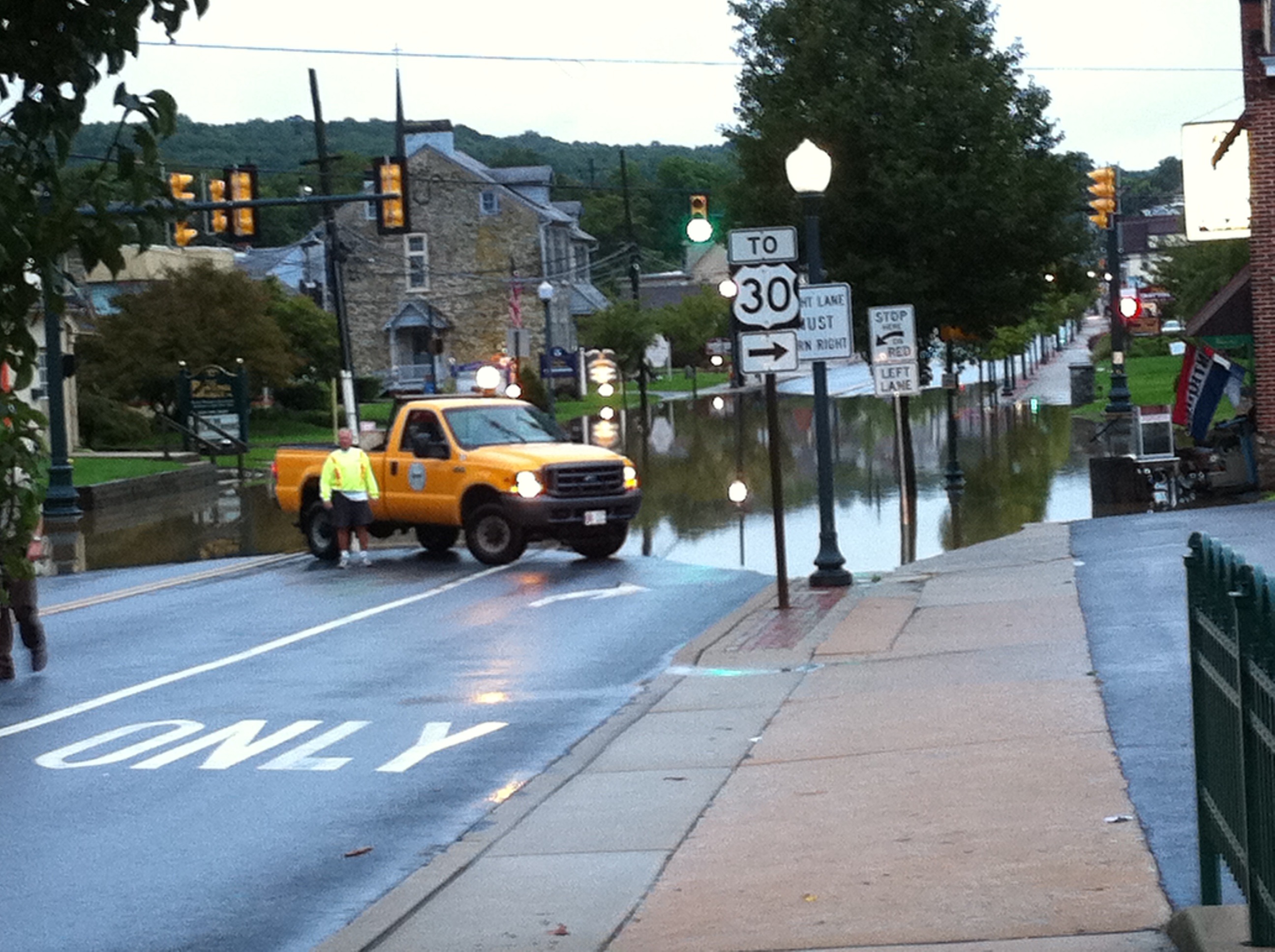
    • Evacuate if advised by authorities.  Be careful to avoid flooded roads and washed out bridges.

    In addition to your personal planning, the American Red Cross of Southeastern Pennsylvania is conducting a Hurricane Readiness Drill on Saturday morning, June 2 at Avon Grove High School, where a Red Cross shelter was located during Hurricane Irene last year.

    During the drill, several local agencies, including the Chester County Department of Emergency Services and the Red Cross, will train people critical disaster relief skills, like sheltering, food distribution, providing basic medical needs, and decision making. The training will also include what to do with pets.

    We know you just took the time to read all of that. And to help you remember (because you probably don’t want to read it again), here’s a video with an overview of what you should do to plan:

    http://www.youtube.com/watch?v=O7zu0N-iDT0

    Social media will be heavily utilized during a major disaster like a hurricane, people will be able to track what is happening by following @redcrossphilly and #HurricaneDrill on Twitter.  This tool will be incredibly valuable, but we must recognize that the reliability of this service depends completely upon the severity of the event. If this should happen, a short-wave radio is the best way to receive information about what is happening.

  • Summer Safety

    Ever heard of Wave Board Basketball? Neither had I until I caught my kids playing it in our driveway on a warm evening a few weeks ago. Like any responsible parent, I try to limit my use of profanity unless absolutely unavoidable but sometimes I find the word “bleeping” comes in handy in a pinch. Such as, in the case of the Wave Board Basketball incident, “Where are your BLEEPING helmets?!!!” Just saying. . .  Which brings me to the topic of this SEPA Red Cross blog. Summer Safety.

    Summertime . . .and the livin’ is easy . . . and slightly more risky. . .which sadly doesn’t really fit with that lovely tune but is true nonetheless. Enjoyment of outdoor, athletic pursuits is what summer is about for most of us and our beautiful city, Philadelphia, offers so many opportunities for warm weather recreation. Fairmount Park makes us rich in bike trails and hiking paths. Smaller city parks offer basketball hoops, playgrounds, skateboard parks and soccer fields. Our own neighborhood streets and driveways host street hockey, jump-roping and, apparently, Wave Board Basketball. Everybody get out and run around! It’s fun. Just please remember to take a few precautions so we all stay safe and healthy.

    Wear your helmets. It’s that simple. Be helmeted on your bicycles, wave boards, skateboards or any other apparatus that rolls you around at high speeds. Used children’s helmets are easy to find at garage sales. As with the oxygen mask on the airplane, helmet your children first before helmeting yourself. Our heads are incredibly fragile and brain injury can be absolutely devastating.

    Respect the temperature and humidity. Here, in the Philadelphia area, we have several summer days where temperatures reach the high 90’s. That’s hot and attention must be paid. Small children, the elderly and the chronically ill are most susceptible to extreme heat but everyone should be aware of the risk of heat stroke. If you feel dizzy or nauseous while being active on a hot sunny day, find some shade, a cool drink and rest for a while. If you start feeling cold and goosebumpy even though the beach or pavement is like a frying pan under your feet, find a cooler venue to recuperate. Plan your activities for the early morning or evening when the sun is less intense. Watch out for your friends and keep your elderly neighbors in mind. The heat is great when you climb out of the pool but it can be very harmful.

    Use sunscreen. That’s a no-brainer in families like mine who are so pale we’re almost translucent, but the truth is everyone should be using sunscreen. The sun is very powerful and it’s beaming all kinds of ultra-violet light at us, especially at the beach, on the water or any place where shade trees are scarce. Even if your skin does not burn, it’s still on the receiving end of that radiation infusion. Protect yourself. Protect your children. Don’t forget to reapply every couple hours if you are swimming or sweating!

    Drink water, but not too much. It’s very important to stay hydrated. We are humans, not lizards and when we start to shrivel from dehydration, we become quite ill. By the same token, we can hurt ourselves by drinking too much so don’t overdo it. Water is an essential accompaniment to all summer activities. My family owns about 20 different water bottles that fit awkwardly in a cabinet over the kitchen sink and sometimes fall on my head when I open the door too forcefully. My children love this.

    Be safe in the water. Make sure kids learn to swim. It’s an essential life skill. The Red Cross offers lots of opportunities for swim instruction in our region. Wear life jackets on boats. Made sure the people you care about are safe in and around the water.

    Summer is a fantastic time of year. The American Red Cross of Southeastern Pennsylvania hopes you enjoy it safely!