Category: Disaster Response

  • Check Out Our New Flood App


    I don’t know if our Red Cross friends have noticed, but this part of the world is damp. Sometimes, it’s too damp. Southeastern Pennsylvania experiences several torrential rainfall events a year, and while this makes our local flora lush and green, we also live with the threat of flooding, especially in low-lying areas.

    The Red Cross of Southeastern Pennsylvania is committed to helping people in our area be prepared for disasters all kinds. Recently, we have been developing applications for iPad, iPhone and Android to help people act safely and responsibly in the event of an emergency. Our newest app, provided in both English and Spanish, deals with the most common disaster in the United States: flooding.

    Floods are extremely dangerous because they occur quickly and with little warning. A road can become impassible in a matter of seconds. A house can be submerged in the same amount of time. The flood app will have location based NOAA flood and flash flood warnings to let users know when they are in danger and should evacuate. It will offer one touch “I’m safe” messaging to family and friends, as well as inform users of critical steps to take in order to stay safe. The app provides the locations of Red Cross shelters, resources for recovery and opportunities to learn more about helping friends and neighbors when the water get too high. These include interactive quizzes and badges you can earn and share on social networks. It even provides a flashlight, strobe light and alarm to make others aware of your location

    Everyone who lives in Southeastern Pennsylvania should download this app. When the unexpected occurs, we are filled with questions. What should we do? Where should we go? What should we remember to bring? What dangers should we worry about and anticipate? The Red Cross is doing a tremendous service by making the answers to these questions as accessible as a smart phone. The flood app will save lives, it will provide essential information in real time and it will assist people to recover when the waters recede.

    Here’s wharco_blog_img_FloodAppt the National Office of the Red Cross has to say:

    The Flood App is the latest in a series of Red Cross emergency preparedness apps that put lifesaving information right in the hands of people whenever and wherever they need it. These apps allow people to make critical, lifesaving decisions.

    All Red Cross apps can be found in the Apple App Store and the Google Play Store for Android by searching for American Red Cross or by going to redcross.org/mobileapps.

    Apps are not a substitute for training. Go to redcross.org/takeaclass to take a First Aid and CPR class so you’ll know what to do in case emergency help is delayed.

  • March Brings Winter Storm to Philadelphia Region

    photo 2Posted 2/28/14 3pm

    Officially, winter does not end until March 19th and the winter season is really hanging on this year.
    The Philadelphia region is gearing up for yet another major winter storm, complete with snow and possible ice accumulations.

    The American Red Cross
    Southeastern Pennsylvania stands ready to respond to whatever comes our way. Supplies and staff are ready in case shelters are needed. Red Cross workers will be in contact with emergency management officials throughout the region leading up to, during and after the storm. The Regional Disaster Coordination Center at Red Cross headquarters in Philadelphia will continue to answer calls 24-hours a day and dispatch volunteers to respond to the everyday disasters the Red Cross handles even when there isn’t a winter storm.

    For now, the American Red Cross Southeastern Pennsylvania urges residents in the area to prepare now for the weather ahead. Be sure to have enough water and food on hand in case you cannot leave your home for an extended time. Here are some links to more tips on how to prepare and respond during the storm:

    Winter Safety Tips including what items to have in your home and vehicle before a storm hits.

    Tips on protecting your pets during a winter storm, please don’t forget your pets.

    Tips to prevent or thaw frozen pipes in your home.

    rco_blog_img_MarchSnow

    Take time to download and learn more about the Red Cross mobile Apps. The first aid app, in particular could come in handy during and after a snowstorm. Any of the disaster apps like the hurricane app will provide you with shelter information, if needed.

    As always, look for up to date information about responses, shelters and even tips by following our official twitter feed:  @redcrossphilly

  • February Nor’easter American Red Cross shelter and safety information

    UPDATED 5:30 pm 2/13/14:
    The American Red Cross Southeastern Pennsylvania has its volunteers on standby and has established shelter team in the event sheltering is needed due to the ongoing snow storm.  But as of 5:30 pm 2/13, that has NOT been necessary.

    Staff and volunteers are staffing any open county and city Emergency Operation Centers and equipment has been prepositioned throughout the area to respond to any requests for assistance or sheltering.

    If shelters do open, they will be listed below by county. Information will also include an address and if the shelter is pet friendly.

    You can also follow updates on twitter, by following @redcrossphilly @telesara and @dcschrader.

    And if you need your sidewalk or driveway shoveled Friday morning, let Uber Philly do the work. And all proceeds will benefit Red Cross disaster relief.

    Visit here for info and details. http://blog.uber.com/ubershovel

    Please keep these safety tips in mind if you do lose power during the storm.

    Here are some tips to be safe during a winter storm.
    Don’t forget about your pets, here are safety tips for your pets during a winter storm.
    And, here are tips about preventing and thawing frozen pipes.

    Thank you and keep warm.

    The Red Cross

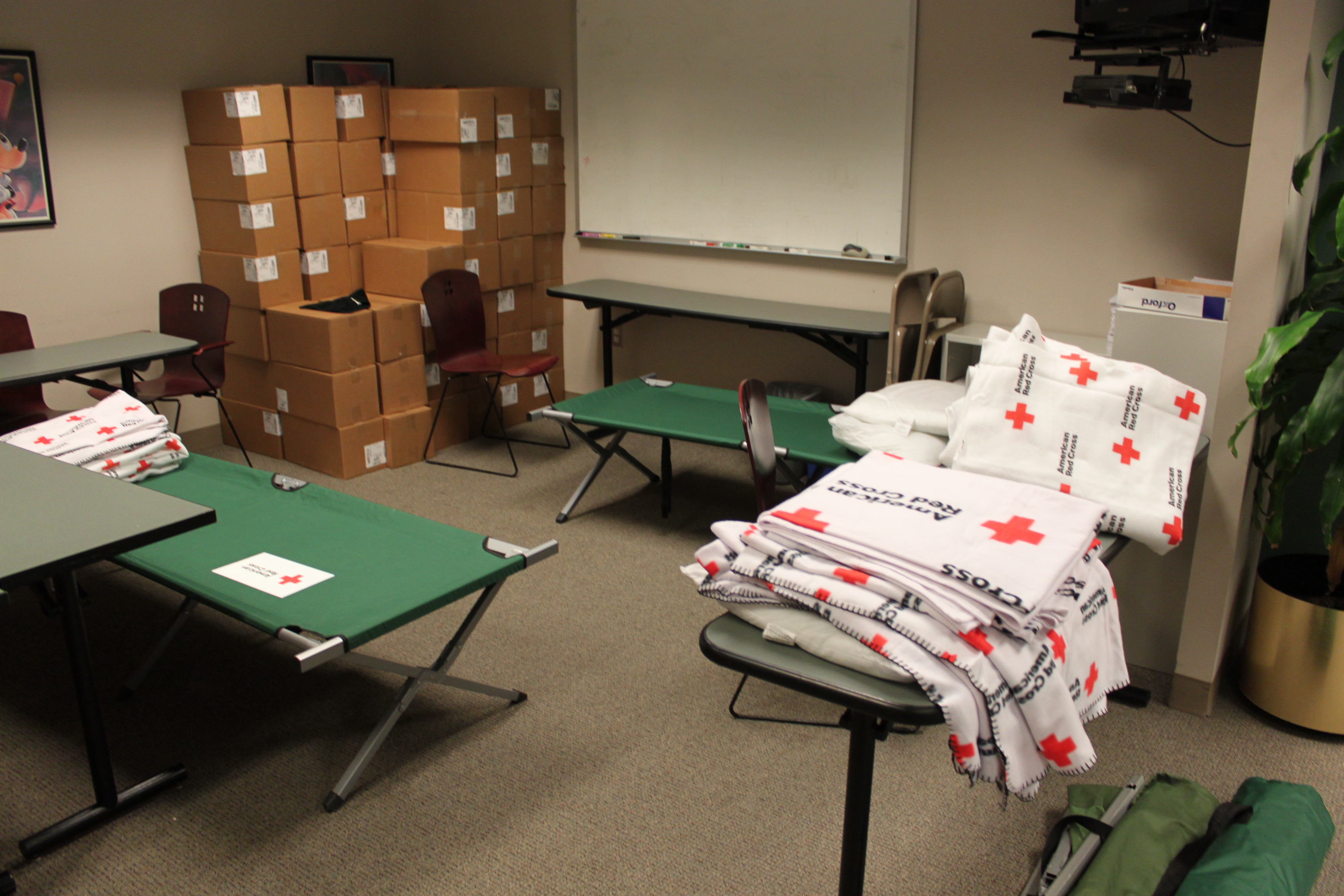
    Cots set up last week at the shelter at West Chester University for residents affected by power outage. February 5, 2014
    Cots set up last week at the shelter at West Chester University for residents affected by power outage. February 5, 2014
    RCH and volunteers at Hatboro shelter
    Red Cross Southeastern PA CEO Judge Renee Hughes visits a shelter in Montgomery County during the ice storm and power outage. February 7th, 2014
  • True cost of Red Cross response to ice storm can’t be measured

    Image
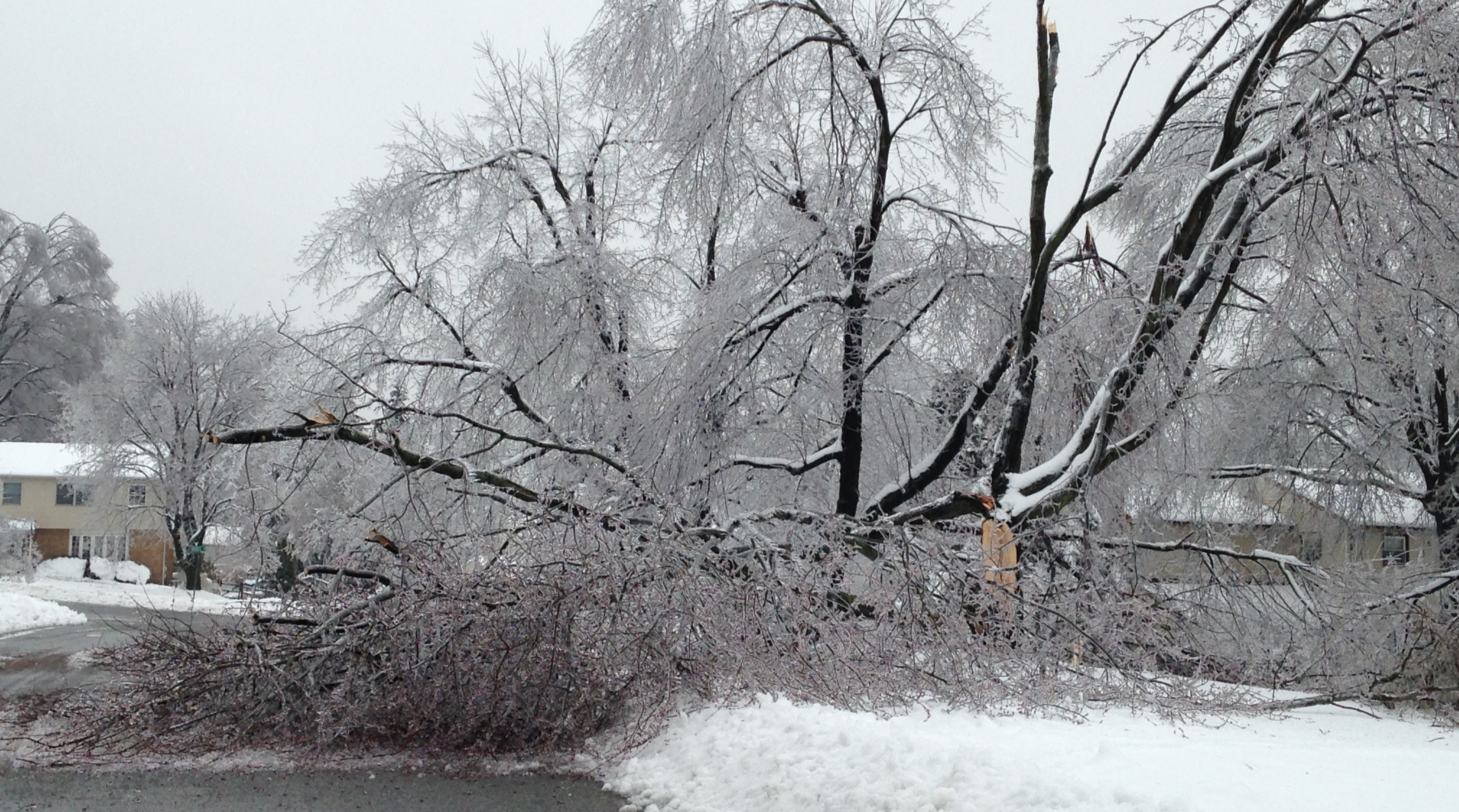
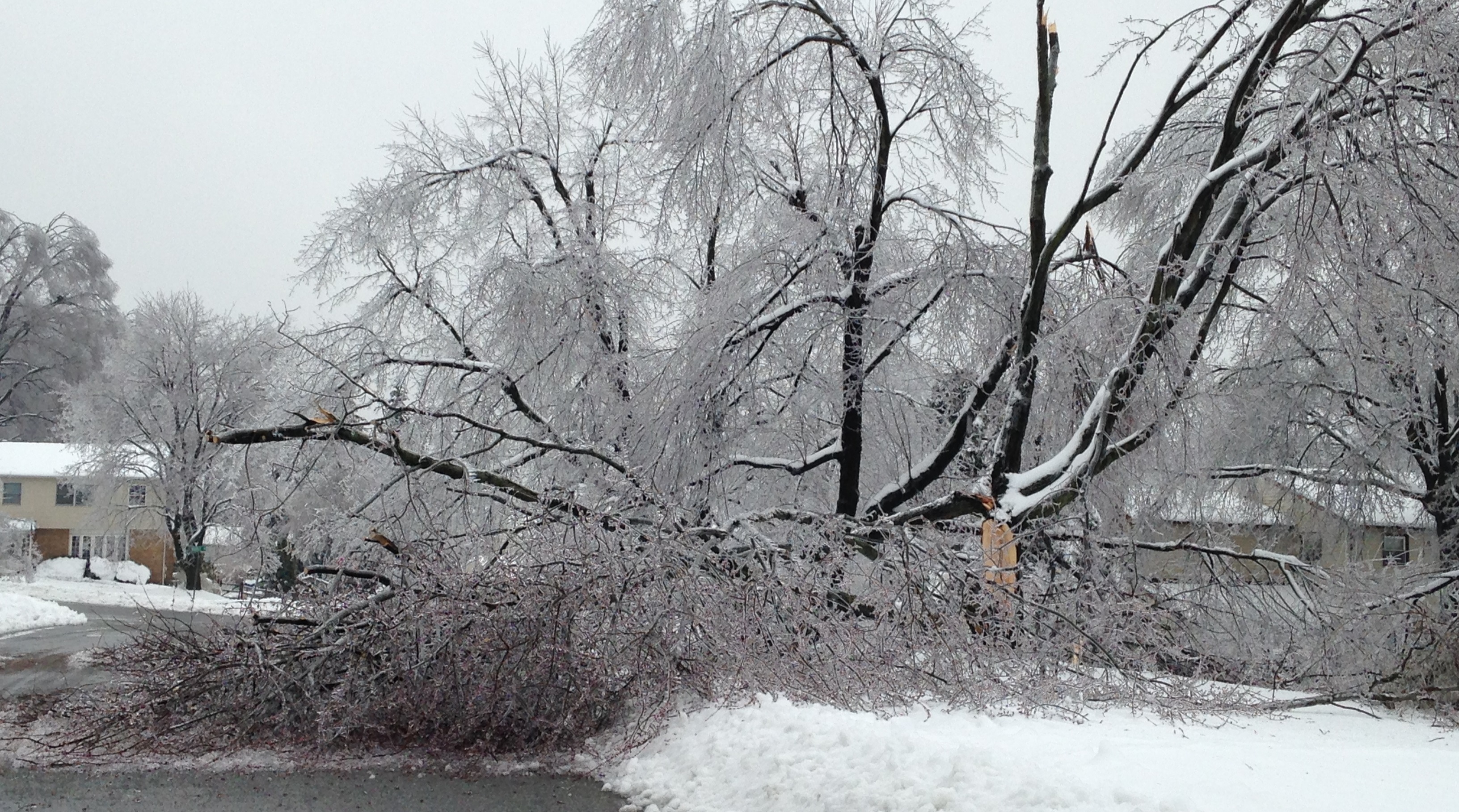
    A tree knocks down power lines in Chester County, February 5th, 2014.

    After any major disaster and the recent ice storm is no different, one of the most common questions I get is “How much did the disaster cost?” It’s a natural and fair question to ask. After all, the American Red Cross accepts only financial donations and people want to know where their donations are going.

    RCH and volunteers at Hatboro shelter
    American Red Cross Southeastern PA CEO Judge Renee Hughes (center) meets with volunteers and takes a tour of the Hatboro Horsham shelter on February 7th, 2014

    In the case of the recent ice storm to hit Southeastern Pennsylvania, calculating the true cost is complicated, if not impossible. You see, most of the expenses the Red Cross is incurring during the ice storm response were incurred during the course of the last year. The Red Cross must be prepared to act immediately whenever there’s a disaster. The Red Cross does not have the luxury of waiting until donations roll-in to respond.

    So the Red Cross spends much of its resources preparing. That means buying things like blankets, cots, pillows, soap, and shampoo in advance. That means paying to store those items at warehouses. That means replacing items that wear out or go bad because they have a limited shelf life. That means paying to recruit and train volunteers, who make up more than 90% of the Red Cross workforce. That means paying for technology to ensure workers can communicate more easily and can respond more effectively. That means providing its limited staff decent wages and benefits to get and retain quality employees.  This doesn’t even factor the amount of TIME spent responding to a disaster or travel costs like gas, tolls, and in some cases, airfare and hotels for outside help.  (VERY minimal in the case of this ice storm.)

    (VIDEO below is a recap of Red Cross response after first 24 hours)

    The Red Cross spends a lot of time going into the community and sharing safety and preparedness advice vital to reducing recovery time after a disaster, which ultimately reduces costs for everyone. But how do you calculate that?  The work of the Red Cross goes on year round. Costs are incurred year round, not just when we open a shelter or pay for food. The Red Cross is able to respond to disasters so efficiently and effectively because it puts a lot of its resources into making sure we are all ready when disaster strikes.

    So what’s my point? The point is, the Red Cross relies on donations from the public year round, not just during and after disasters. The Red Cross isn’t funded by the government or your tax dollars. The generosity of individuals, corporations, civic groups, and foundations are solely what make it possible for the Red Cross to do what it does.

    Wednesday, February 5th, nearly 400 cots were set up at West Chester University to help an expected influx of people who lost power.

    Without donations, the Red Cross can’t be ready with 1,500 cots and blankets when an ice storm hits and 700,000 people don’t have power and may need a warm place to go. Without donations, the Red Cross can’t provide fire victims money for immediate needs like food, clothing, and shelter. Without donations the Red Cross can’t train volunteers who provide the compassion and experience shelter residents need after a disaster. In short, donations make it so when the Red Cross gets the call for help, the Red Cross is able to answer.

    To learn more or make a donation, please visit redcross.org.

    A resident at the West Chester University shelter made this cake for the Red Cross staff and volunteers in appreciation of all they do. February 8th, 2014
    A resident at the West Chester University shelter made this cake for the Red Cross staff and volunteers in appreciation of all they do. February 8th, 2014
  • Red Cross opens shelters amid major power outages and massive ice storm

    IMG_8101
    UPDATE
    As of 2/11 at 12pm all Red Cross shelters in Southeastern Pennsylvania in response to the ice storm have closed.

    Supplies and resources remain in place throughout the region and volunteers are on stand-by to respond if needed following the next storm.

    rco_blog_img_LionvilleShelter

    Follow @redcrossphilly@dcschrader@telesara for immediate updates for all Red Cross activities in Southeastern PA.

    Always an option: If people don’t wish to go to a Red Cross shelter and prefer a hotel and they have pets, we encourage them to download the American Red Cross Pet First Aid app. It includes a feature that will locate the nearest pet friendly hotels to them.

    They can find it at redcross.org/mobileapps or by searching Red Cross on the iPhone App and Google Play stores.

    The Red Cross asks that you do NOT drop off supplies at the shelters. It creates major logistical problems. If folks wish to help, they can make a financial donation at redcrossphilly.org

    As power is restored, please take a moment to read these tips, or print this handy sheet to make sure you know what food is safe and more about how to safely get back to normal following a power outage.

    CLICK HERE to learn more about what you will find at a Red Cross Shelter.

    CLICK HERE for VIDEO about the Red Cross response as of 5PM 2/5.

    VOLUNTEER ICE STORM
    An American Red Cross volunteer meets with two people at the Lionville Middle School shelter in Chester County. photo credit: Sara Smith/American Red Cross
  • Response can be Rewarding

    rco_blog_img_RESPONSE
    Careers should be chosen by interests instead of salaries.  Although income is a determining factor when deciding on what career to go into, ultimately, I feel that most important factor when deciding on which career to follow is if you truly enjoy the work.  For me, the only way I can see myself enjoying my career is if it gives me the opportunity to directly help others and the American Red Cross has allowed me to do this during my time with them as an AmeriCorps National Preparedness and Response Corps member.

    As an AmeriCorps NPRC member, our main responsibility is to go on disaster responses throughout Southeastern Pennsylvania and provide assistance to families that are affected.  For Southeastern Pennsylvania, most of the disasters we respond to are fires and we usually approach the disaster right after it occurs.  When I encounter clients, they’re usually distraught and scared for what their future holds, but after speaking with them and providing them assistance, I quickly see their emotions change from relief and joy.  It’s this change in emotion that motivates me to get up every morning and commute over an hour to come into work.  Working with those affected by disasters is a rewarding experience and makes my time with American Red Cross truly meaningful.

  • Behind the Scenes of the launch of Red Cross Pet First-Aid App

    Peticon

    Today (January 16, 2014)  is a very exciting day for the American Red Cross. It launched its Pet First Aid App for iPhone and Android. It is particularly exciting for the American Red Cross Southeastern Pennsylvania because the content and information in the app was provided by Dr. Debbie Mandell, an emergency room veterinarian at the Ryan Veterinary Hospital at the University of Pennsylvania here in Philadelphia. Dr. Mandell also serves as a pet advisor to the American Red Cross.

    In order to launch the app, the Red Cross held what’s called a Satellite Media Tour at a studio in Philadelphia, featuring Dr. Mandell, a Red Cross national spokesperson, two pet first-aid CPR manikins, and Mana, the best behaved dog ever known to attend a media event. Basically, TV and radio stations across the country did interviews with them, one after the other.

    emergency pet app info

    I got to work on this project because of my position with the Red Cross here in Philadelphia. We did site surveys at Penn Vet’s ER, but we couldn’t logistically work out a way to showcase pet emergency care; the unpredictability of a pet emergency room could make for great TV or awful TV. We couldn’t take the chance on the latter.

    laura and dr. mandell
    Dr. Debbie Mandell (L) of Penn Vet and Laura Howe of the American Red Cross, and Mana the dog, during media interviews about Red Cross Pet First-Aid app.

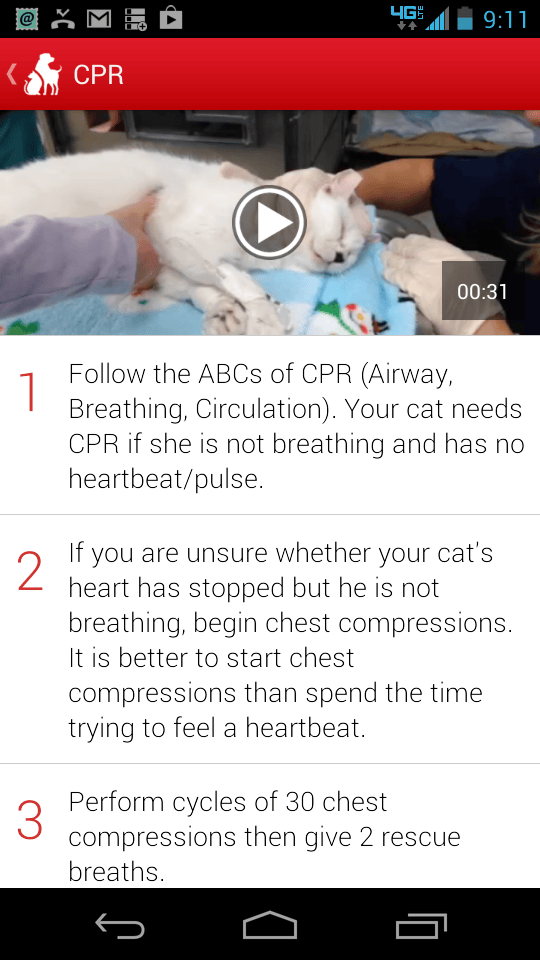
    So for about six hours this morning, Dr. Mandell, the spokesperson, and Mana sat in a studio saying the same things over and over about the Pet First-Aid app. They explained for what seemed like a thousand times, the app’s many features, did pet CRP demonstrations, and showed what items should be in every family’s pet first-aid kit.

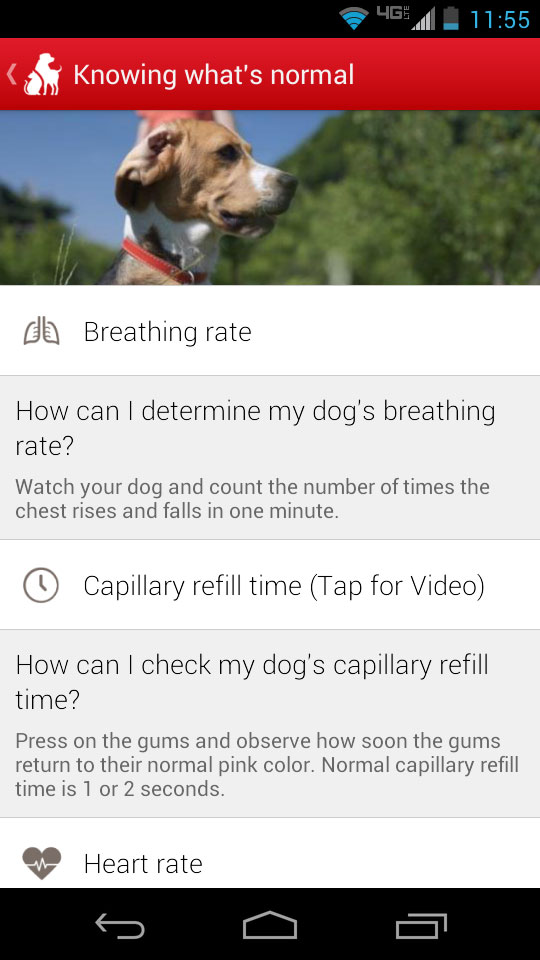
    One thing in particular stands out to me from the series of interviews this morning. Dr. Mandell really did a geat job emphasizing the dangers in your home that you may not be aware of. She mentioned certain plants and flowers are toxic to cats and dogs. I had no idea. The Red Cross Pet First-Aid app identifies those plants for you and what to do if your pet eats or licks any of those plants.

    My two dogs died a few years ago, so I don’t have any pets, but I can still use the app. It is useful for me to help potential Red Cross clients with pets, who need a place to go after a fire or flood, find nearby pet friendly hotels. Often, concern about what to do with their pets prevents people from evacuating. This app helps alleviate those concerns. Jen Leary, who runs the local pet disaster rescue organization Red Paw, downloaded the app and says the pet friendly hotel and vet locator portion of the Red Cross app is a “game changer” for her volunteers in the field.

    But if you have a pet, you definitely need to consider downloading it. The 99 cents seems like a small price to pay for an app that has so many great, potentially lifesaving features. Plus the 99 cents goes to support all Red Cross services, including disaster relief. To do that go to redcross.org/mobileapps or search Red Cross on iTunes or Google Play. And help ensure you’re prepared to care for you pets like any other member of your family.

    Cat CPRlean-know-what's-normal-dog

  • Charlie Brown, blankets, and Giving Tuesday

    Welcome to Giving Tuesday. I’m not a big fan of made up stuff so people can have a cool hashtag, but you can’t really argue with a day to recognize and draw attention to wonderful charitable organizations doing amazing work.

    In deciding to write about our Red Cross blankets in honor of Giving Tuesday, I was motivated by one thing, the airing last night of the beloved holiday special, “A Charlie Brown Christmas.”

    CharlieBrownChristmas
    Scene from A Charlie Brown Christmas

    That episode is a timeless classic I watch every year. There are so many great moments, but what always sticks out to me is the part where Linus and Charlie Brown are joined by the rest of the gang to decorate the pathetic tree Charlie picked out. Who can’t relate to the symbolism of that scene?

    Now that I work for the Red Cross, I am particularly struck by how they use the blanket to secure the base of the tree to keep it from falling over. I never really thought much of it before. That’s not the case anymore. Now I think about the impact blankets have, symbolically and more importantly, practically.

    For the Red Cross, the care we give to people who have suffered a disaster almost always begins with the blanket. In its most basic and utilitarian form, the blanket keeps people (and sometimes pets) warm. Red Cross blankets provide warmth to an elderly woman forced from her home by a hurricane on a chilly October day, to families in the dead of night as they watch their home burn to the ground, to passengers floating on an airplane wing in the middle of a river on a Fall afternoon, and to commuters who suddenly find themselves standing by a mangled train that ran off the tracks in a tragic accident. Feeling warmer is a small but vital step to recovery.

    PALISADES WOMAN
    Woman enjoys a friendly moment at the Red Cross shelter at Palisades High School in Bucks County after Hurricane Sandy. Credit: American Red Cross Southeastern Pennsylvania

    Yeadon Fire
    Families gather after their apartment building in Yeadon, Delaware County, is destroyed by fire. Credit: American Red Cross Southeastern Pennsylvania


    3_13_Disasters2
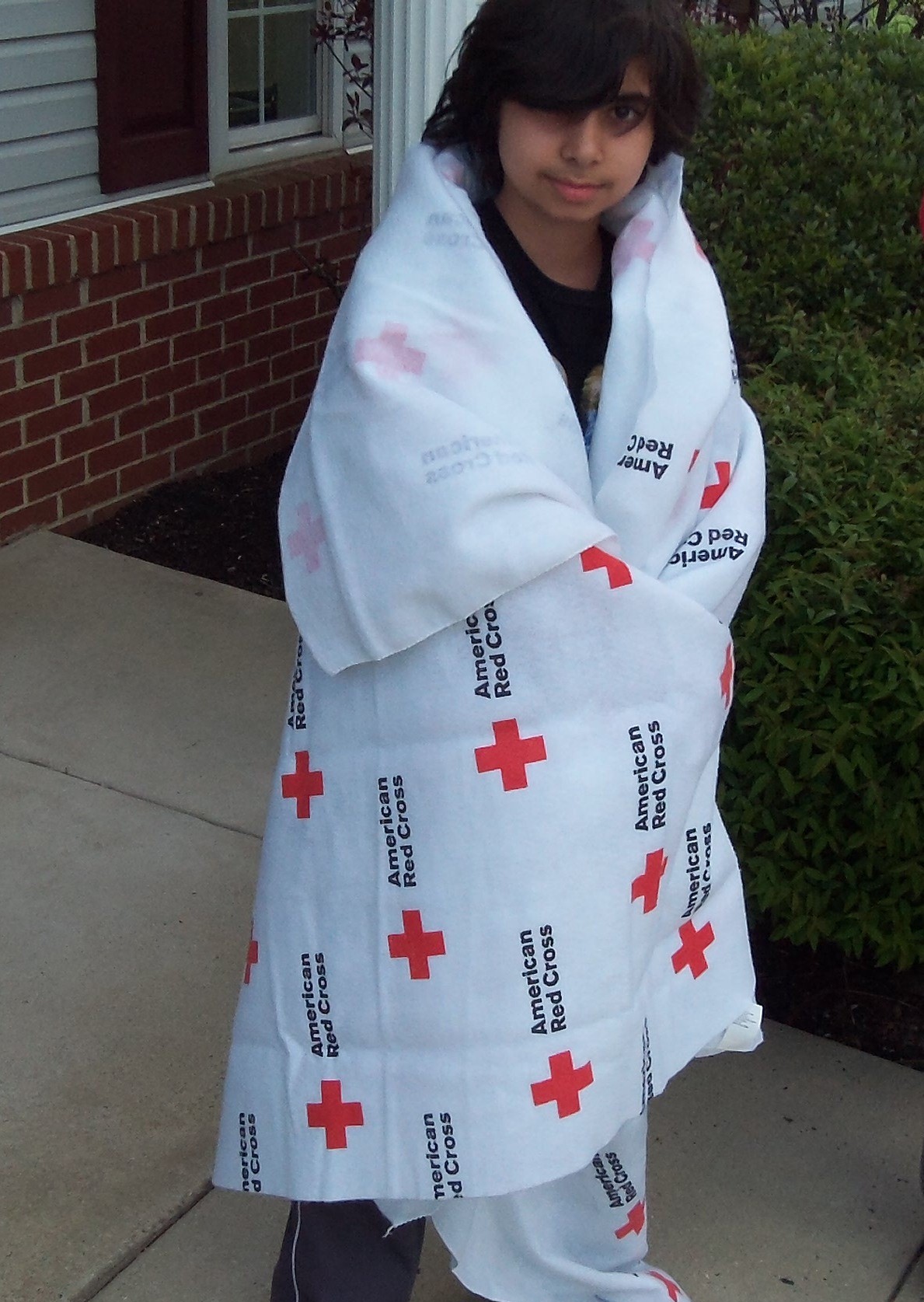
    11 year old Ahmet keeps warm after a fire destroyed his home in Upper Merion Twp., Montgomery County. Credit: American Red Cross Southeastern Pennsylvania
    plane_crash_redux_01
    Dozens of passengers wait to be rescued from downed jetliner in what is known as the Miracle on the Hudson Credit: AP
    stretcher red cross
    A passenger is taken away on a stretcher after being rescued in the Miracle on the Hudson. Credit: American Red Cross New York
    Passengers try to keep warm after their commuter train derailed in the Bronx. Credit: American Red Cross New York
    Passengers try to keep warm after their commuter train derailed in the Bronx. Credit: American Red Cross New York
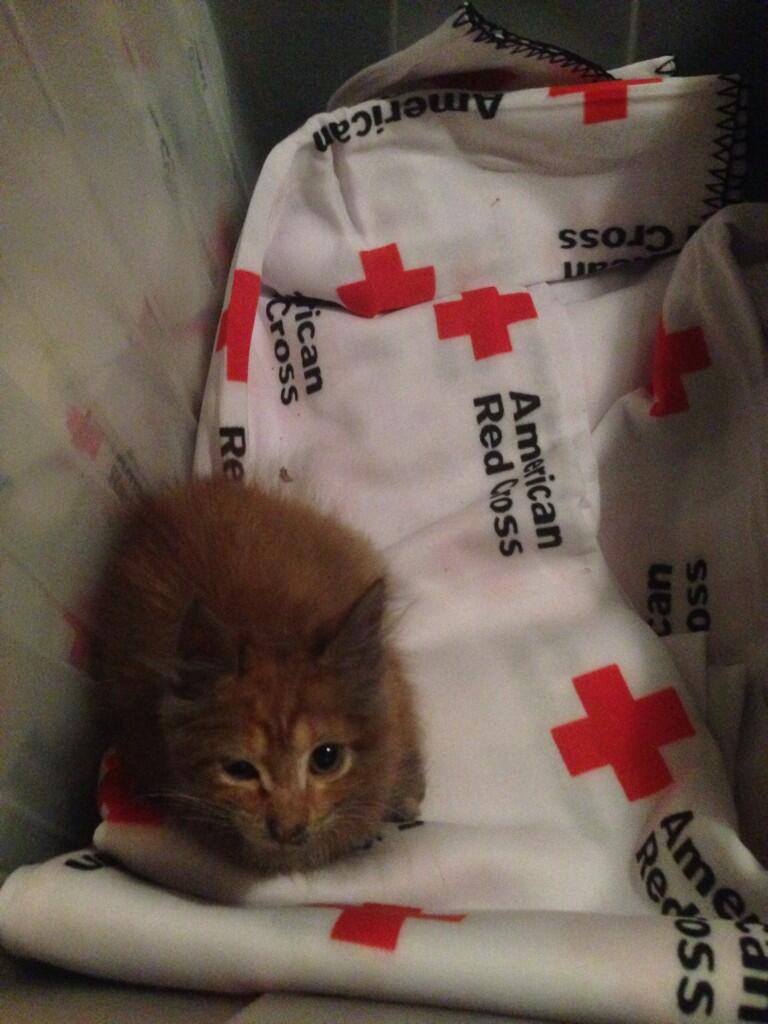
    kitty blanket
    A kitten rescued from a house that caught fire in Philadelphia. Credit: Red Paw Emergency Relief

    As the person whose job it is to help protect and promote the image and reputation of the American Red Cross, I often comment that the blanket is the best PR the Red Cross could ever get. The sight of a person wrapped in a Red Cross blanket at a disaster scene pretty much sums up in as powerful a way as possible what the Red Cross does and what the Red Cross is all about.

    While the Red Cross provides far more than blankets to those affected by disaster, the blanket is usually the most immediate physical and emotional need the Red Cross meets. Each blanket costs about $6. And PR aside, it’s the best $6 the Red Cross could ever spend. So on this Giving Tuesday, think about Charlie Brown and the blanket that helped make that sad tree beautiful. Then think about the Red Cross blanket and how much comfort, hope, and recovery $6 can buy.

  • Typhoon Haiyan Response

    More than a week ago, one of the strongest storms on record cut a path of devastation through the Philippines leaving thousands dead and even more stranded without food, water, shelter and basic medical care. Since that time, the Philippine Red Cross has been working

    day and night to meet the needs of survivors.  The Red Cross of Southeastern Pennsylvania (SEPA) will do all it can to support and contribute to the international mobilization behind the relief effort.

    rco_blog_img_BRIDGE

    Soon after the storm, the emergency responders at SEPA began taking calls from all over the United States from Americans anxious to have news of relatives in the Philippines. Bridge volunteers pass the information to the family tracing service at the American Red Cross. Although, we do not participate in the actual re-uniting of families, we understand that some who have called have been able to connect with loved ones in the past few days.

    In addition, SEPA partnered with two news organizations to raise money for the relief effort. CBS Philly broadcast fundraising information for an entire day last week. In addition, SEPA head of Communications, Dave Schrader, gave an interview explaining the size and scope of the relief effort and made an appeal for financial donations.  The following day, 6ABC hosted a Typhoon Haiyan Telethon, which raised over 17,000 dollars in one evening.  Altogether, the American Red Cross has been able to provide an initial donation of six million dollars to support the relief effort.  These funds will go directly to providing food and clean water, establishing essential medical care, providing sanitation and rebuilding shelters. The money will also go to repair and replace a fractured communications system so that relief efforts can coordinate more effectively.

    The Red Cross knows that coordination is essential in the wake of a disaster of this magnitude. American volunteers with expertise in telecommunications and satellite equipment are already in the Philippines trying to help first responders communicate with international donors about the most desperate needs on the ground. Other volunteers from the States will help will disaster assessment, as well as accurate mapping of the area so that help can reach all the places it is needed.

    Already, Red Cross volunteers are receiving recognition for their extraordinary efforts. An article this week in the Wall Street Journal explained how volunteers gathered in nearby Cebu City to clean out an former Energizer battery factory so it could be used as a distribution hub for supplies sent from all over the world such as temporary shelters, cots, food, water and essential medical supplies. The Philippine Red Cross is the largest humanitarian organization in the country, and it is currently distributing emergency supplies and conducting ongoing search and rescue efforts.

    SEPA will continue to support relief efforts in the coming weeks. Once the disaster relief infrastructure is in place, the International Red Cross will be able to determine where the most pressing needs are and how best to meet them.  In the meantime, SEPA is grateful for the generosity of Philadelphia area donors. Please click here to see our mission moment video showing our one week recap of local Red Cross response to Typhoon Haiyan

    Written by Sarah Peterson

  • My First Day as a Red Cross Employee was October 29, 2012

    When you work for the Red Cross you learn very quickly to be ready for anything. That was my first lesson when I started here; it just happened to be the same day Superstorm Sandy struck our region.

    Most folks when they start a new position have some idea of how their first day will go. I had no idea what to expect since this was not only my first day on the job but my first time dealing with a hurricane. Being from Texas I was well versed in what to do in a tornado but hurricanes were out of my league.

    In spite of my apprehension, I knew that this storm was an “all-hands-on-deck” situation and I didn’t want to let anyone down my first day on the job. On the morning of October 29, 2012 I found myself driving very slowly and carefully to our offices in Philadelphia.

    Once there I discovered that a lot of the staff had decided to stay at the chapter overnight. Preparations for Sandy had been made several days in advance throughout our region and I was astounded at the level of preparation and dedication everyone showed. Without hesitation my colleagues were ready to face whatever Sandy was going to throw at them and I was so inspired.

    rco_blog_img_SEPACotsThroughout that day and the weeks and months after Sandy I continued to be amazed and honored to work with such incredible individuals. The workers of the American Red Cross are persistent and hard-working. Whatever the need they roll up their sleeves until the job is done. My first day on the job was the best orientation I could have had. I saw first-hand the importance of what we do. We represent the very best of what the American people are capable of when our sleeves are up, our hearts are open, and we’re all in.

    Now, one year later, I’m still in awe of what we were able to accomplish that day and what we continue to do every day. Whether it’s Sandy or the 3-5 fires that happen almost nightly in this region the Red Cross is there and I’m glad I’m a part of it.

    Michelle Wigianto is major gifts associate for the American Red Cross Southeastern Pennsylvania,
    who began as a volunteer. Her first day as a paid employee was the day Sandy struck.