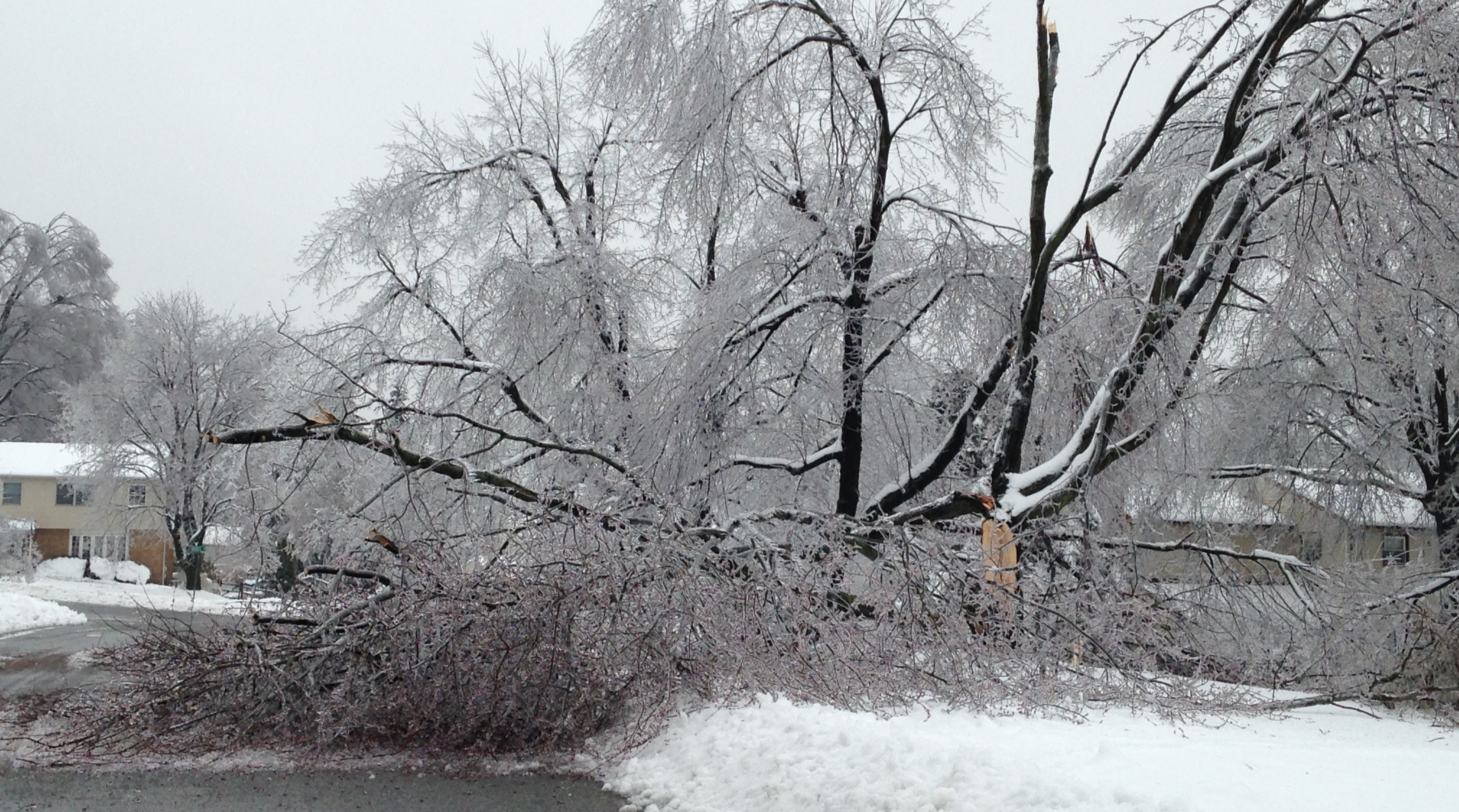
After any major disaster and the recent ice storm is no different, one of the most common questions I get is “How much did the disaster cost?” It’s a natural and fair question to ask. After all, the American Red Cross accepts only financial donations and people want to know where their donations are going.

In the case of the recent ice storm to hit Southeastern Pennsylvania, calculating the true cost is complicated, if not impossible. You see, most of the expenses the Red Cross is incurring during the ice storm response were incurred during the course of the last year. The Red Cross must be prepared to act immediately whenever there’s a disaster. The Red Cross does not have the luxury of waiting until donations roll-in to respond.
So the Red Cross spends much of its resources preparing. That means buying things like blankets, cots, pillows, soap, and shampoo in advance. That means paying to store those items at warehouses. That means replacing items that wear out or go bad because they have a limited shelf life. That means paying to recruit and train volunteers, who make up more than 90% of the Red Cross workforce. That means paying for technology to ensure workers can communicate more easily and can respond more effectively. That means providing its limited staff decent wages and benefits to get and retain quality employees. This doesn’t even factor the amount of TIME spent responding to a disaster or travel costs like gas, tolls, and in some cases, airfare and hotels for outside help. (VERY minimal in the case of this ice storm.)
(VIDEO below is a recap of Red Cross response after first 24 hours)
The Red Cross spends a lot of time going into the community and sharing safety and preparedness advice vital to reducing recovery time after a disaster, which ultimately reduces costs for everyone. But how do you calculate that? The work of the Red Cross goes on year round. Costs are incurred year round, not just when we open a shelter or pay for food. The Red Cross is able to respond to disasters so efficiently and effectively because it puts a lot of its resources into making sure we are all ready when disaster strikes.
So what’s my point? The point is, the Red Cross relies on donations from the public year round, not just during and after disasters. The Red Cross isn’t funded by the government or your tax dollars. The generosity of individuals, corporations, civic groups, and foundations are solely what make it possible for the Red Cross to do what it does.

Without donations, the Red Cross can’t be ready with 1,500 cots and blankets when an ice storm hits and 700,000 people don’t have power and may need a warm place to go. Without donations, the Red Cross can’t provide fire victims money for immediate needs like food, clothing, and shelter. Without donations the Red Cross can’t train volunteers who provide the compassion and experience shelter residents need after a disaster. In short, donations make it so when the Red Cross gets the call for help, the Red Cross is able to answer.
To learn more or make a donation, please visit redcross.org.

Leave a Reply