By Caroline Carr

When I was young, my mother was doing some laundry while we were watching television in another room. My mother went to check on the dryer when she thought she smelled gas. She sprang into action, turned the dryer off and got the clothes out of it right away. Then she ran upstairs, got me out of the house and called the fire department.
As it turned out there was no fire or leak, but the fireman told her that her quick thinking would have saved our lives if there had been a fire. He also told her it was a good idea to get the clothes out of the dryer first as they provided an easy way for a fire to spread.
Fire safety concerns everyone. It’s important to know what is true versus what is a myth. It could mean the difference between life and death. In this article I will introduce some common myths and the facts that can help you to protect your home and your loved ones.
Myth 1: Water puts out all fires.
While water is adequate for ordinary combustibles, it is not good for other types of fires, such as electrical or grease fires. Below are the different classes of fires:
- Class A: Wood, paper, cloth, rubber, trash, and plastics.
- Class B: Flammable liquids, oil or petroleum products.
- Class C: Old wiring and electrical appliances.
- Class D: Combustible metals.
- Class K: Oils and grease that can start kitchen fires.
Water should not be used to extinguish classes B, C or K. There are special fire extinguishers for putting out these types of fires.

Myth 2: There is plenty of time to evacuate.
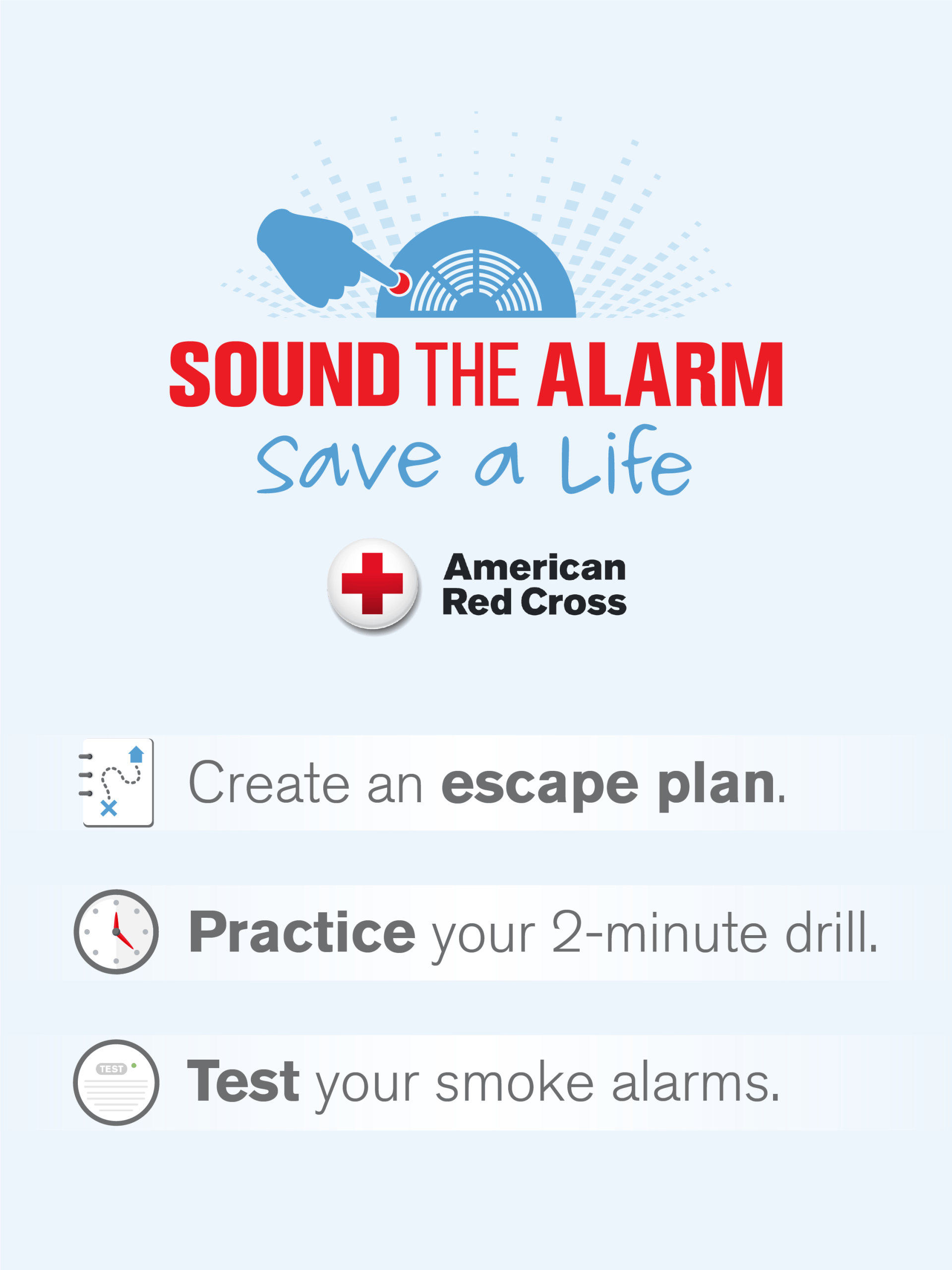
After a fire starts, you have two minutes or less to get out. Fires can double in size every minute that you wait. This is why it’s a good idea to have an evacuation plan in place and to practice with fire drills. Everyone in your household should know what to do and how to get out. Be sure to include your family pets!

Myth 3: If I have a smoke alarm, I don’t need anything else.
Wrong! Smoke alarms are one part of fire safety. They can detect and alert you to danger, but you also need to have the right equipment to put the fire out or to get out yourself. Be prepared by having fire extinguishers, fire blankets and an evacuation plan. You should also conduct fire drills to make sure everyone in your home knows how to respond and evacuate.

Myth 4: Flames are the cause of most fire fatalities.
Smoke and toxic gases cause injury and death long before the fire reach an occupant. In fact, most residential fatalities are caused by exposure to fumes and suffocation.
Myth 5: Opening windows will provide fresh air to help you breathe.
False! Fresh oxygen feeds the fire and makes it spread faster. Keep windows and doors closed.

A house fire is one of the scariest realities that humans face. It can be hard to act rationally when you are in fear for your own life and the lives of your loved ones. That is why understanding fire safety and having a plan in place are so important.
Familiarize yourself with common myths about fires. Have periodic fire drills so that your family can get out of home fast and safely. Practice evacuating in two minutes or less.
For more information about fire safety, visit redcross.org/fire. Here you’ll find articles about fire safety for kids and pets as well as holiday safety and a quiz you can take to assess your readiness for a house fire. Being prepared is key to saving lives within your home.
Leave a Reply