By Alana Mauger
With dangerously cold temperatures and below-zero wind chills hanging around the Delaware Valley this weekend, the American Red Cross Southeastern Pennsylvania Region has tips to help keep your family safe.
Prevent Cold-Related Emergencies
Frostbite and hypothermia can become life‑threatening quickly. Frostbite can set in in as little as 10-30 minutes, and hypothermia in 30-60 minutes. If you must go outside this weekend, take precautions. Wear layers of clothing, a hat, gloves and warm boots and avoid staying outside too long. Fun fact: mittens keep your hands warmer than gloves!
Download our free First Aid app for step‑by‑step instructions on a variety of situations, including hypothermia and frostbite.

Heat Your Home Safely
According to the National Fire Protection Association (NFPA), space heaters are most often responsible for home heating fires. Follow these tips on how to safely heat your home:
- If you must use a space heater, never leave it unattended. Place it on a level, hard and nonflammable surface, such as a ceramic tile floor. Don’t place it on rugs and carpets, or near bedding and drapes.
- Plug space heater power cords directly into outlets — never into an extension cord. Turn the space heater off every time you leave the room or go to sleep.
- Keep children, pets and anything that can burn at least three feet away from heating equipment.
- Never use a cooking range or oven to heat your home, and never use outdoor stoves for indoor heating or cooking.
- Never leave a fire burning in the fireplace unattended. Make sure any embers in the fireplace are extinguished before going to bed or leaving home. Use a glass or metal fire screen to keep embers in the fireplace.

If your home is too cold, stay with friends or family or visit a warming center in your area:
Keep Your Pets Cozy
If it’s too cold for you, it’s too cold for your pet. Like people, pets can suffer from frostbite and hypothermia. If left outside, pets can freeze, become disorientated, get lost or be injured. Also, never leave your pet alone in a vehicle during cold weather; your car can actt like a refrigerator that holds cold air inside.
Check out more winter pet safety tips from ASPCA and download our free Red Cross Pet First Aid app for pet emergency care info.

Prepare for Power Outages
High winds this weekend can bring down power lines. Assemble essentials such as non‑perishable food, drinking water, medications, blankets, warm clothes, flashlights, batteries, phone chargers and power banks, and keep your devices fully charged while power is available. Avoid burning candles to reduce fire risk. If you use a generator, keep it outside in a well-ventilated area and away from windows.
Check out our survival kit checklist for additional ideas.

Avoid Frozen Pipes
Water expands as it freezes, which can put tremendous pressure on pipes and may cause them to break. Pipes that run along exterior walls or are in unheated interior spaces, like garages, attics, basements and even kitchen cabinets, are especially vulnerable. Here are some steps you can take to help:
- Keep garage and basement doors closed.
- Open kitchen and bathroom cabinet doors to allow warmer air to circulate around the plumbing.
- Let the cold water drip from the faucet served by exposed pipes. Running water through the pipe – even at a trickle – helps prevent pipes from freezing.
- Keep the thermostat set to the same temperature both during the day and at night during extreme cold.

Stay Connected
Looking out for one another during extreme cold can make all the difference. Check in with neighbors, friends, family and vulnerable community members to help ensure they stay safe and feel supported and connected when temperatures drop.
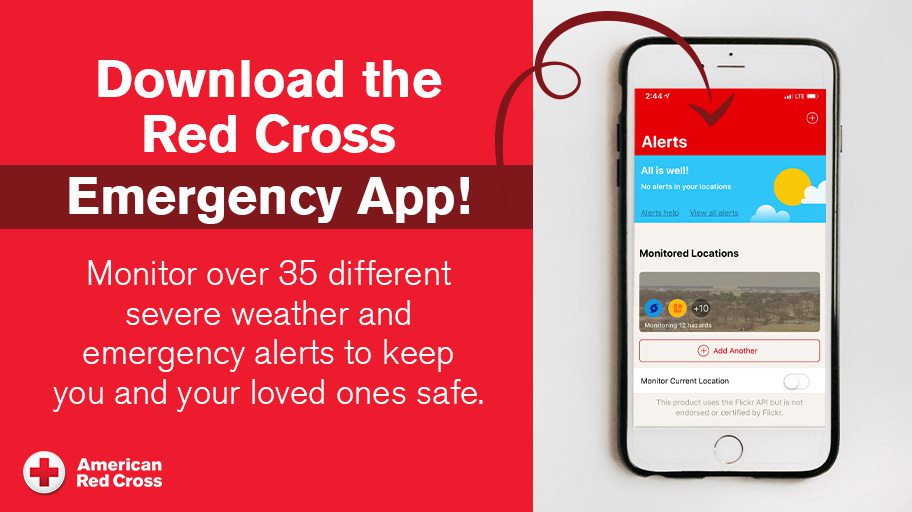
Stay informed by downloading our free Red Cross Emergency app for real-time weather alerts and more.
Leave a Reply