By Kiara Miller
As temperatures rise and families head to pools, lakes, and beaches, it’s important to remember that water can be as dangerous as fun. Every year, thousands of lives are lost to drowning, tragedies which could be prevented with simple knowledge and preparation. Whether you’re a parent or recreational swimmer, understanding water competency, using layers of protection, and knowing the chain of survival can be vital in any life-or-death water situation.
What is Water Competency?
Water competency focuses on safety for yourself and others by recognizing water dangers, building fundamental skills, and knowing how to respond to emergencies. We define water competency in three key components:
Water Smarts
Taking precautions in and around water is critical. These include:
- Knowing your physical limitations and being aware of any medical conditions.
- Never swimming alone. Always have a buddy or swim in areas supervised by lifeguards or water watchers.
- Wearing a U.S. Coast Guard-approved life jacket suited for your size and activity.
- Wearing a U.S. Coast Guard-approved life jacket suited for your size and activity.
- Swimming sober—never mix alcohol or drugs with aquatic activities.
- Understanding and being aware of specific risks like river currents, rip currents, temperature, or underwater hazards.
- Learning how to call for help and being aware of the signs of drowning or distress in others.
Swimming Skills
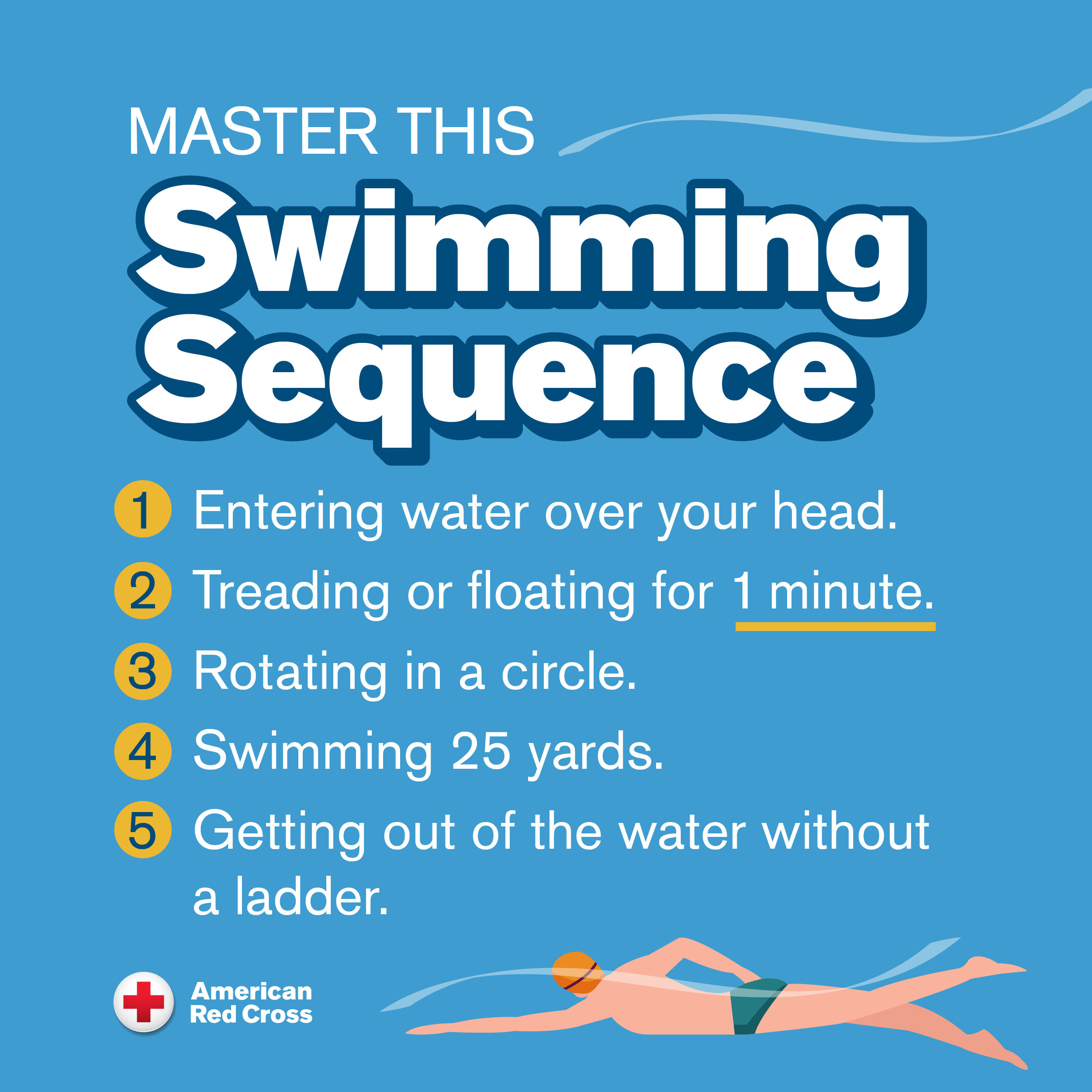
Everyone should be able to perform these five basic skills in any aquatic setting:
- Enter deep water and return to the surface.
- Float or tread water for at least one minute.
- Turn around in the water.
- Swim at least 25 yards.
- Exit the water safely.
Helping Others
Emergencies can happen in a matter of seconds. Be prepared to:
- Supervise children or weak swimmers closely.
- Recognize the signs of drowning.
- Use safe rescue methods.
- Know CPR and basic first aid.
- Use safe rescue methods.
- Know CPR and basic first aid.
Visit Water Safety USA—a partnership of organizations including the American Red Cross—for more tips on water competency.
Layers of Protection: Barriers for Maximum Safety
No single precaution can prevent all water accidents. That’s why using layers of protection is essential:
- Supervision: Always supervise children near water, even if lifeguards are present. Young children should never be left alone.
- Life Jackets: Children, non-swimmers, and all boaters should wear U.S. Coast Guard-approved life jackets.
- Environment Awareness: Swim in lifeguarded areas and be aware of local conditions, such as currents, drop-offs, water clarity, and weather.
Be a Water Watcher: The First Line of Defense
Drowning often happens quickly and discreetly, which is why designating a Water Watcher is one of the most important steps you can take. A water watcher should:
- Be at least 16 years old (adults preferred).
- Focus solely on supervision—no phones, reading, or distractions.
- Know CPR or be able to alert someone who does.
- Have access to a phone, flotation device, and rescue tool.
- Be focused and alert.

The Chain of Drowning Survival:
If a water emergency occurs, the steps you take next can save a life:
- Recognize the signs: Vertical in the water but not making progress, motionless face-down, or calling for help.
- Rescue and remove: Use a reaching or throwing device—never put yourself at risk unless you’re trained.
- Call for emergency help: Dial 9-1-1 immediately.
- Provide care: Begin rescue breathing and CPR; use an AED if available.
- Transfer to advanced care: Continue care until EMS arrives.
Swim Lessons Save Lives
One of the most effective ways to prevent drowning is to ensure every family member knows how to swim. The American Red Cross Learn-to-Swim program offers lessons for infants, children, teens, and adults—all taught by trained instructors in safe, supportive environments.
These classes help students become comfortable in the water, teach survival and stroke techniques, and promote rescue skills that can save lives.
You can also stay on track between classes with the free Red Cross Swim App, which offers skill tracking, safety tips, and activities to help swimmers improve and remain engaged.
Visit our website to find Red Cross swim classes and Learn-to-Swim providers near you, as well as more water safety tips and resources.
By building water competency, applying layers of protection, and developing your role as a water watcher, you can help create a safe environment where water can be enjoyed without fear of danger. So, suit up, stay smart, and swim safe this summer!
Leave a Reply