By Zain Ahmad
As temperatures drop in the Northeast, it’s crucial to understand the risks associated with extreme cold and how to protect yourself. Younger children, elderly, homeless and people who work outside are particularly vulnerable to cold weather injuries. From the American Red Cross, here is some key information on why the cold weather can be dangerous and how to stay safe during winter weather conditions.

Cold-Related Health Risks
Understanding Health risks and symptoms for illnesses from cold weather is essential to staying safe. Here are some illnesses from the cold and ways to identify them:
Frostbite
Frostbite occurs when skin and underlying tissues freeze when a person is exposed to cold temperature for prolonged duration. Signs include:
- White, grayish-yellow, or waxy-looking skin
- Numbness or unusually firm skin
When frostbite occurs:
- Seek immediate medical care.
- Immerse affected area in warm (not hot) water.
- Use body heat to warm frostbitten areas.
- Avoid rubbing the affected area.

Hypothermia
Hypothermia is a dangerous drop in body temperature. Symptoms include:
- Shivering, confusion, or slurred speech
- Drowsiness or very low energy
When hypothermia occurs:
- Seek immediate medical attention.
- Move to a warm environment and remove wet clothing.
- Warm the body’s core using electric blankets or skin-to-skin contact.
- Provide warm, non-alcoholic drinks.

Prevention Strategies
To avoid injuries from cold weather:
- Limit time outdoors in extreme cold.
- Stay dry, as wet conditions increase the risk of frostbite.
Preparing for Cold Weather
Before cold weather arrives:
- Inspect and replenish winter gear, including coats, gloves, hats, and boots.
- Stock up on warm blankets and flashlights for potential power outages.
- Ensure your phone is fully charged for emergencies
- Have enough non-perishable food in the house that can help you survive a snowstorm for few days

Proper Clothing for Cold Temperatures
Layering is essential for protection against the cold:
- Wear a hat covering your head and ears, waterproof gloves, and 1-2 pairs of thick socks.
- Use Insulating material like fleece or wool
- Having a waterproof and windproof shell on the outer layer is also essential for safety.
- Keep moving to maintain body heat, but avoid exhaustion
Emergency Preparedness
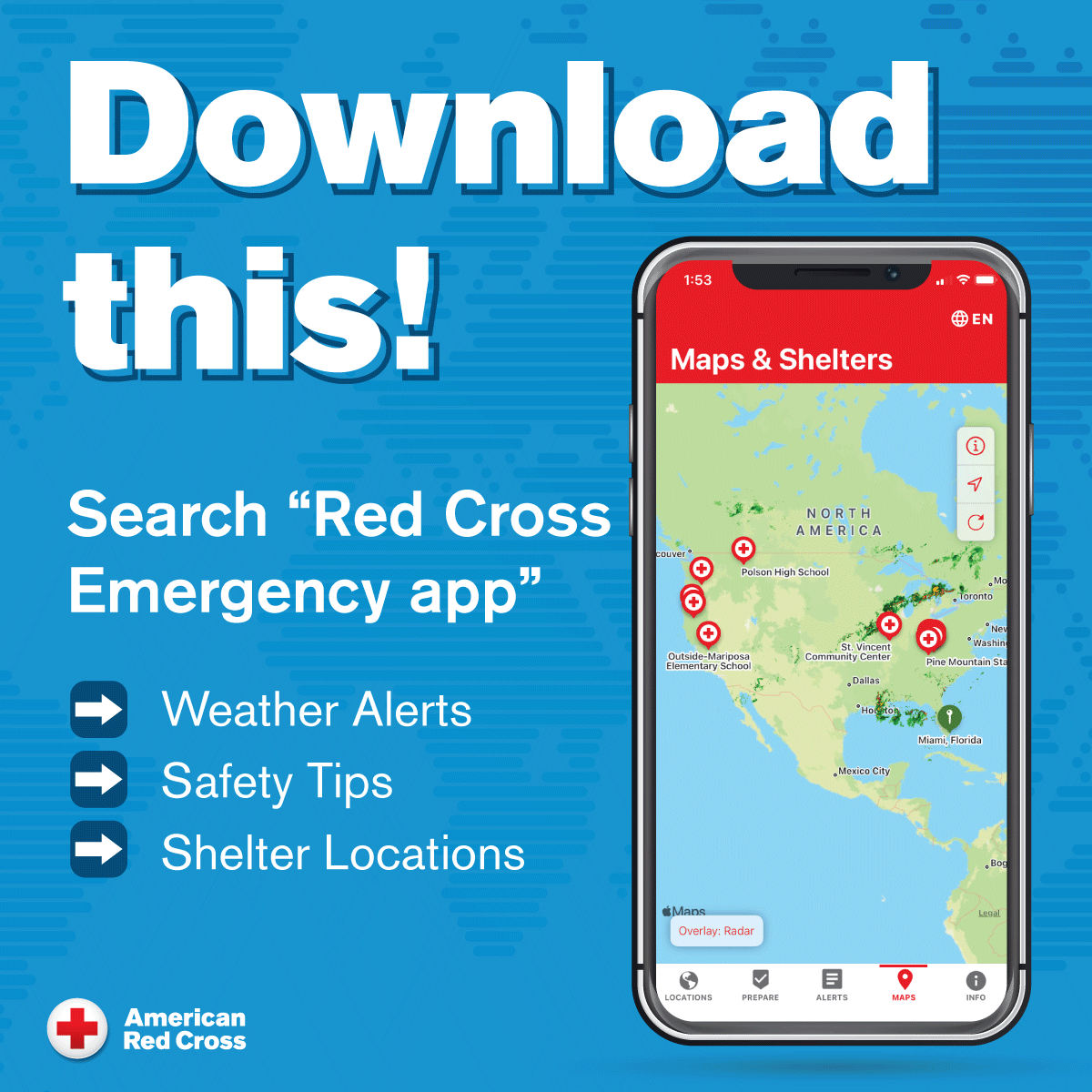
The Red Cross offers free mobile apps for emergency situations:
- Emergency App: Provides alerts and step-by-step guides for various emergencies, including severe winter weather.
- First Aid App: Offers instructions for common first aid scenarios, with features such as:
- Step-by-step guides for emergencies
- Videos and animations for first aid techniques
The National Oceanic and Atmospheric Administration’s (NOAA) Winter Storm Severity Index is also a useful tool to watch out for winter storm severity.
By following these guidelines and utilizing available resources, individuals can better prepare for and respond to cold weather emergencies, reducing the risk of cold-related injuries and illnesses. From the American Red Cross Southeastern PA region, stay safe this winter!
Leave a Reply