By Zain Ahmad
Summertime invites us to enjoy the great outdoors by camping or hiking in the woods, but it also brings the risk of encounters with ticks, mosquitoes, and poisonous plants like poison ivy, oak, and sumac. Here we provide essential tips to keep yourself protected and what to do if you come into contact with these nuisances.
Avoiding Poison Ivy, Oak and Sumac
Poison ivy, oak and sumac plants carry Urushiol, an odorless, colorless irritant oil that can cause an itching, blistery rash if someone come in contact with it.
Immediate Action After Contact: If you suspect you’ve come into contact with poison ivy, oak, or sumac, it’s crucial to act quickly:
- Wash the exposed areas thoroughly with soap and cold water immediately. Avoid taking a bath as it can spread the oils to other parts of your body; rather opt for a shower or hose off outside.
- Wash all clothes and shoes promptly to remove any lingering oils that could cause re-exposure.
Dealing with a Rash: Should a rash develop, consider these measures to alleviate allergic reaction and itching:
- Place a warm, wet washcloth on the affected area.
- Take a bath with colloidal oatmeal, which you can buy from a drugstore or make at home by grinding dry oatmeal into a powder.
- Oral antihistamines like diphenhydramine can help with severe itching, especially if it interferes with sleep. Always consult a pediatrician before giving these to children.
- If itching persists, consider topical steroid cream (hydrocortisone) on the affected area.
When to Seek Medical Help:
- If the rash spreads to sensitive areas like the eyes, mouth, or genitals.
- If you experience severe reactions such as swollen eyes, face, or difficulty breathing. These may require immediate medical attention and treatment with medications like prednisone or epinephrine.
Prevention:
- Learn to identify poison ivy, oak, and sumac, and avoid areas where they grow.
- Wear long sleeves and pants, and tie back long hair when exploring wooded areas.
- Ensure that these plants are not part of your bonfire pile, as burning them can release urushiol into the air, causing respiratory issues.
Ticks: Tiny but Dangerous
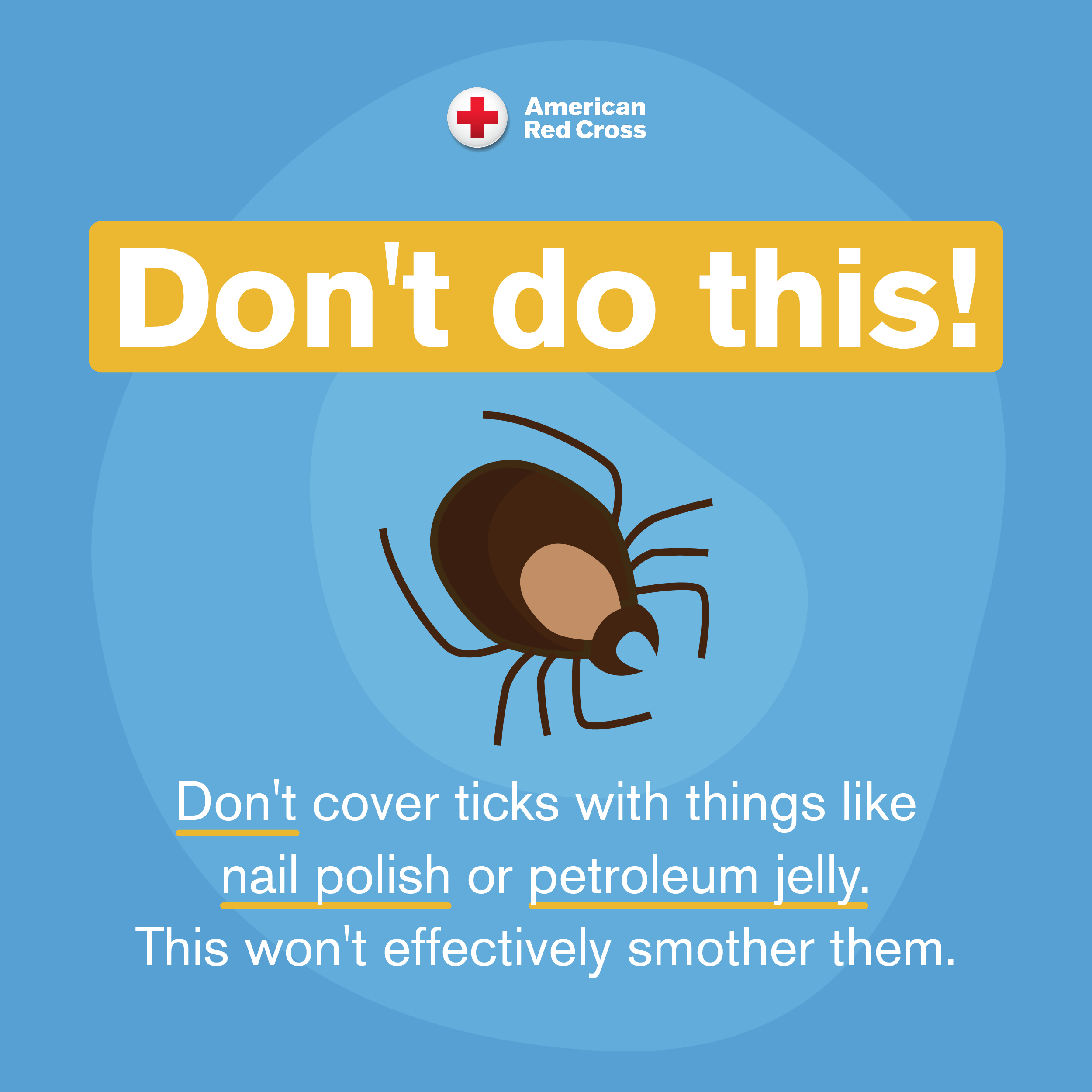
Ticks attach to the exposed skin of the person and transmit diseases posing major health risk.
Immediate and Safe Removal:
- Grasp the tick’s head as close to the skin as possible using fine-tipped tweezers.
- Pull upward steadily without twisting until the tick releases its hold.
- Seal the tick in a container for a healthcare provider to inspect.
- Wash the area thoroughly with soap and warm water.
Post-Removal Care:
- Monitor the bite area for several days for signs of infection or illness, such as rashes, fever, muscle aches, or fatigue.
- Seek medical advice if you notice any concerning symptoms or if the tick’s mouthparts remain embedded in the skin.
Prevention Tips:
- Use insect repellents containing DEET when outdoors.
- Check yourself and your pets for ticks frequently, especially in hairy areas when outdoors for prolonged time.

Battling Mosquitoes
Many species of mosquitoes are found in the US putting people at risk of infection from their bites.
Prevent Bites:
- Apply insect repellents with DEET, following the instructions on the package.
- Remove standing water around your home, such as in flowerpots, buckets, and barrels, to eliminate mosquito breeding sites.
- Consider staying indoors at dusk and dawn when mosquitoes are most active.
By following these guidelines, you can enjoy the outdoors with peace of mind, knowing you’re protected against ticks, mosquitoes, and poisonous plants. Remember, a little preparation goes a long way in preventing discomfort and potential health risks.
Leave a Reply