By Eric Li
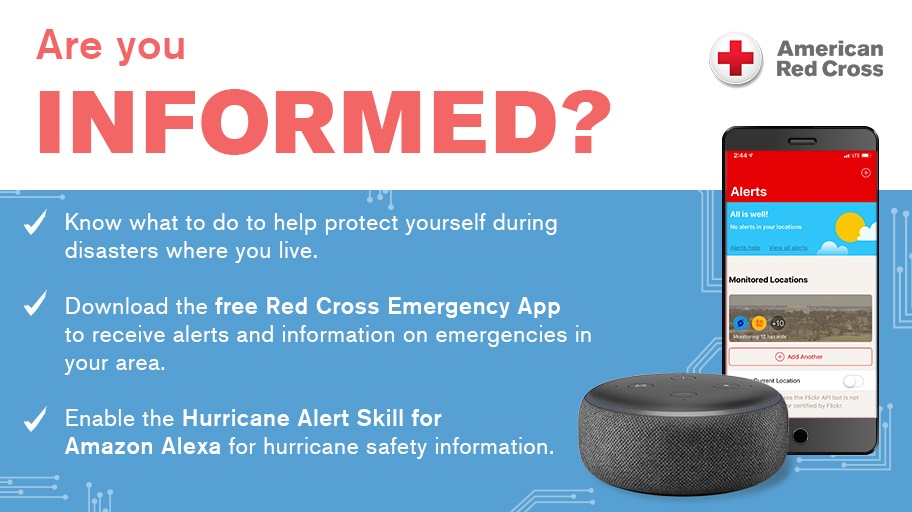
Emergencies are always worrying. We try our best to be prepared for them at all times, but sometimes these happen without notice and without warning. Therefore, everyone should be prepared to handle volatile situations at all times, and be able to watch for weather alerts and know what they mean.
First step to being prepared is to determine where you will get your information. Be it a radio, television, an app (preferably NOAA or the Red Cross apps), determine where you can get information quickly and reliably, especially during disasters where the power is gone.
Now that you’ve gotten hold of where you’ll get your information from, now it’s time to understand what it means. Different weather alerts have different meanings.
Most weather emergencies are split into 3 types of alerts: warnings, advisories, and watches.
According to the National Weather Service: “A watch is used when the risk of a hazardous weather or hydrologic event has increased significantly, but its occurrence, location or timing is still uncertain. It is intended to provide enough lead time so those who need to set their plans in motion can do so. A watch means that hazardous weather is possible. People should have a plan of action in case a storm threatens and they should listen for later information and possible warnings especially when planning travel or outdoor activities.”
Advisories are a step above warnings: “An advisory is issued when a hazardous weather or hydrologic event is occurring, imminent or likely. Advisories are for less serious conditions than warnings, that cause significant inconvenience and if caution is not exercised, could lead to situations that may threaten life or property.”
Warnings are the most serious: “A warning is issued when a hazardous weather or hydrologic event is occurring, imminent or likely. A warning means weather conditions pose a threat to life or property. People in the path of the storm need to take protective action.”
To prepare, look at certain disasters that are more likely in your area. Then prepare a plan on how you would deal with them. Redcross.org is a good resource to get you started.
Preparation in advance doesn’t just apply to weather watches; a good plan can help you deal with emergencies that might occur more quickly. In addition to staying informed, making a plan and building a disaster kit are key.
Some key supplies to include in your disaster kit:
- Non-perishable food and extra water, in most disasters going outside is dangerous, so you need extra food and water to be able to survive without running out.
- A radio, preferably NOAA, to receive external alerts or orders that will help you avoid the disaster. Make sure you have enough batteries too.
- A first-aid kit, for any health emergencies during the disaster, and you should also make sure everyone knows CPR and knows how to operate an automated external defibrillator (AED).
Leave a Reply