By Maria Marabito
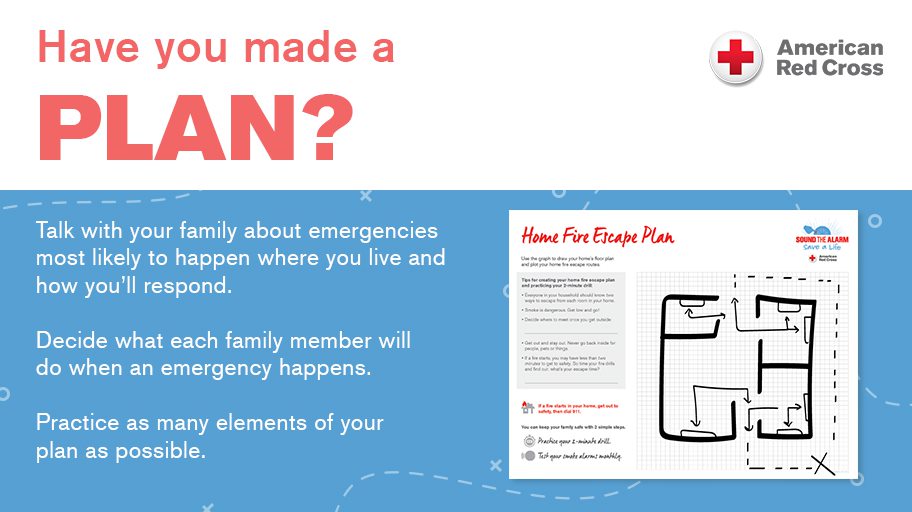
Planning for an emergency may seem like an oxymoron, but a plan can help you prepare for, respond to and recover from disasters if they should come. This National Preparedness Month take time with your family to draft your emergency plan. From fires to floods to tornadoes, your plan can help you be ready for anything that comes your way.
There are several elements to consider when discussing an emergency plan. The first step is identifying disasters most likely to happen where you live. Some of the most common natural disasters in the Southeastern PA region include floods, severe storms, winter storms, tornadoes and power outages. Emergencies don’t always come from natural disasters though. According to the National Fire Protection Association, more than 350,000 home fires occur in the U.S. each year. Creating a simple home fire escape plan and practicing your 2-minute drill could be lifesaving.
Emergencies can also happen outside the home and might separate you from your loved ones. Decide on a meeting place should this happen. Plan how to let your loved ones know you’re safe if you are not able to reunite immediately. Read here for more information on how to draft a comprehensive emergency plan.
After deciding on your emergency plan, assign responsibilities to each member of your household and establish how you can work together as a team to get through the stressful times that emergencies can bring. It may make you a stronger in the end. Make your plan applicable for everyone, including older adults, people with disabilities, children and pets. One family member may be assigned the responsibility of getting first aid and CPR/AED certified. Another family member may be in charge of assembling the family’s medical information so that it is ready to go should an evacuation be necessary. Everyone can play a part in preparing for emergencies.
Lastly, practice makes perfect. Take a few minutes to run through your plan to work out the kinks and clear up any confusion. Annually, practice drills, update your plan and restock your emergency kit.
However, preparation and practice means little if you do not know when a disaster hits. Make sure that you are signed up to receive watches, warnings and advisories when severe weather and other emergencies strike. There are national and local warning systems available to alert you to trouble.
Learning more about what can occur where you live, work and play and taking steps to be prepared can mean all the difference when an emergency actually does strike. And you don’t have to do it alone. The Red Cross has resources available to help you create and test your emergency plan. More information can be found here.
Leave a Reply